
Betty Ford Alpine Gardens: Discover the World’s Highest Botanical Garden in Vail, Colorado
Nestled at the edge of Ford Park, just a short walk from the heart of Vail Village, lies one of Colorado’s most remarkable hidden treasures. While many visitors come to Vail for its legendary ski slopes, luxury resorts, and outdoor adventures, few realize that the town is also home to the highest botanical garden in North America, a peaceful sanctuary where thousands of alpine plants from around the world thrive against the breathtaking backdrop of the Rocky Mountains.
The Betty Ford Alpine Gardens is much more than a collection of flowers. It is a living museum, an internationally recognized conservation center, and one of the most relaxing places to visit during every season of the year. Whether you’re traveling with young children, planning a romantic afternoon, searching for beautiful photography locations, or simply looking for a quiet escape after exploring Vail Village, the gardens offer an experience that feels completely different from any other attraction in the valley.
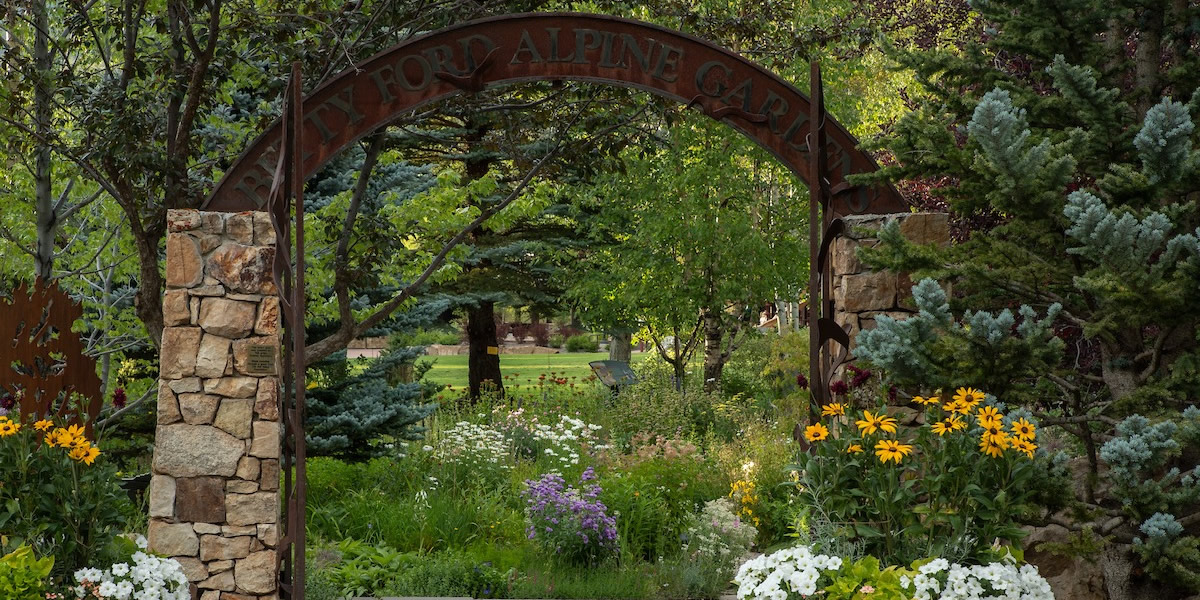
Walking through the gardens is like taking a journey across the world’s mountain ranges. Carefully designed pathways wind through colorful alpine flowers, crystal-clear streams, waterfalls, rock gardens, and peaceful meditation spaces, all surrounded by spectacular views of the Gore Range. Every corner reveals another carefully curated landscape, making it easy to spend several hours exploring without ever feeling rushed.
One of the aspects that makes the gardens truly unique is their mission. Beyond their extraordinary beauty, they play a vital role in protecting fragile alpine ecosystems through conservation, scientific research, education, and living plant collections. Thousands of visitors arrive each summer expecting little more than a pleasant stroll, only to discover one of the most fascinating botanical institutions in the United States.
Unlike many botanical gardens located in large cities, the Betty Ford Alpine Gardens exist within the natural environment that many of their plants call home. At more than 8,200 feet above sea level, visitors experience alpine landscapes exactly where these remarkable species naturally thrive, creating an immersive experience that simply cannot be replicated elsewhere.
Why Visit Betty Ford Alpine Gardens?
Many travelers initially include the gardens in their itinerary simply because admission is free. While that alone makes them one of the best values in Vail, most visitors quickly discover that the experience offers far more than expected. Unlike crowded attractions where visitors constantly move from one activity to the next, the gardens encourage a slower pace. Every pathway invites exploration, every seasonal bloom offers something different to admire, and every quiet bench provides another opportunity to appreciate the remarkable beauty of Colorado’s high alpine environment.
Families enjoy introducing children to mountain plants and wildlife through interactive exhibits and educational programs. Couples often find the gardens to be one of the most romantic places in Vail, while photographers return repeatedly throughout the summer as different flowers bloom across the landscape.
Even travelers who have little interest in gardening frequently leave impressed by the scale of the collection and the spectacular mountain scenery surrounding every section of the property.
Because the gardens are located only a few minutes from Vail Village, they’re also remarkably easy to include in almost any vacation itinerary. Many visitors spend the morning exploring the gardens before enjoying lunch in the village or attending a concert at the nearby Gerald R. Ford Amphitheater.
About Betty Ford Alpine Gardens
The gardens were established in 1985 by the Vail Alpine Garden Foundation and were officially named in honor of former First Lady Betty Ford in 1988. Betty Ford and President Gerald Ford spent significant time in Vail, and the gardens became a fitting tribute to her love of nature, conservation, and horticulture. Today, the organization continues as a nonprofit dedicated to protecting alpine environments through education, research, conservation, and public outreach.
Today, the gardens contain more than 3,000 species of alpine and mountain plants collected from North America, Europe, Asia, South America, New Zealand, and other mountain regions around the world. Maintaining such an extraordinary collection at high elevation requires continuous research and specialized horticultural expertise, making the gardens an internationally respected center for alpine plant conservation.
Visitor Information
Antes de comenzar tu recorrido, conviene conocer algunos datos prácticos que harán tu visita mucho más sencilla.
| Information | Details |
|---|---|
| Official Name | Betty Ford Alpine Gardens |
| Address | 522 S Frontage Rd E, Vail, CO 81657 |
| Phone | (970) 476-0103 |
| Admission | Free (donations appreciated) |
| Hours | Open daily from dawn to dusk |
| Location | Ford Park, Vail |
| Walking Distance from Vail Village | Approximately 10 minutes |
| Parking | Ford Park Parking Lot (limited) |
| Nearest Attraction | Gerald R. Ford Amphitheater |
| Best Season | June through September |
| Pet Friendly | Yes, leashed pets are welcome |
| Official Website | Betty Ford Alpine Gardens |
Admission is free, though the organization suggests a voluntary donation to support its environmental conservation, research, and education programs. Additionally, you can visit the gardens for free during the winter to enjoy current exhibits, family activities, and special events.
Themed Gardens You’ll Want to Explore
One of the greatest pleasures of visiting Betty Ford Alpine Gardens is discovering that it isn’t a single garden, but rather a collection of beautifully designed spaces, each telling a different story about alpine environments around the world.
As visitors wander through the property, they move from colorful perennial displays to dramatic rock gardens, peaceful meditation spaces, educational exhibits, and interactive areas created specifically for children. Every section has its own personality, making the experience feel more like exploring several unique gardens than walking through one continuous landscape. The Alpine Rock Garden is among the most photographed areas of the property. Here, rugged stone formations, cascading waterfalls, and carefully selected alpine plants recreate the challenging environments where many high-elevation species naturally grow. During the peak summer bloom, this section bursts with color while the sound of flowing water creates an atmosphere of complete tranquility.
Nearby, the Mountain Perennial Garden showcases plants that thrive in harsh mountain climates despite short growing seasons and challenging weather conditions. Throughout the summer, visitors encounter an ever-changing display of flowers that attracts butterflies, bees, hummingbirds, and countless opportunities for photography.
Families should not miss the Children’s Garden, an engaging area designed to inspire curiosity through hands-on exploration, educational activities, and imaginative play. It transforms learning about alpine ecosystems into an enjoyable experience for younger visitors while encouraging respect for nature from an early age.
Explore the Gardens One Section at a Time
One of the most rewarding aspects of visiting Betty Ford Alpine Gardens is that every path leads to a completely different experience. Rather than walking through one continuous landscape, visitors gradually discover a collection of carefully designed gardens, each inspired by a different alpine ecosystem and created with a specific educational and conservation purpose.
As you move through the property, the scenery changes almost effortlessly. One moment you’re surrounded by colorful mountain perennials buzzing with pollinators, and only a few steps later you find yourself beside a cascading waterfall flowing through massive granite boulders that recreate the rugged environments where alpine plants naturally survive. The transition between each garden feels intentional, encouraging visitors to slow down, observe their surroundings, and appreciate details that might otherwise go unnoticed.
Unlike many botanical gardens where flowers are simply arranged for visual impact, every section here tells a story about life at high elevations. Visitors learn how plants survive long winters, intense ultraviolet radiation, nutrient-poor soils, and growing seasons that often last only a few months. It’s this combination of beauty and education that transforms an ordinary walk into a memorable experience.
The Alpine Rock Garden
Without question, the Alpine Rock Garden is one of the most photographed areas within Betty Ford Alpine Gardens and one of the signature attractions that visitors remember long after leaving Vail.
Inspired by the dramatic mountain landscapes found throughout the Rocky Mountains and alpine regions around the world, this section recreates the harsh conditions where many alpine species naturally grow. Massive rock formations, carefully positioned crevices, flowing streams, and a spectacular waterfall create an environment that appears completely natural despite being carefully engineered by horticultural experts.
As visitors follow the winding stone pathways, they encounter hundreds of alpine plants tucked between granite outcrops, demonstrating how life adapts to some of the planet’s most demanding environments. During the peak of summer, colorful blooms emerge from seemingly impossible locations, providing a striking contrast against the gray stone and creating one of the most beautiful photography locations in all of Vail.
The sound of the waterfall adds another dimension to the experience. Instead of hearing traffic or crowds, visitors are surrounded by flowing water, birdsong, and the quiet atmosphere that makes this corner of the gardens feel more like a hidden mountain valley than a botanical collection.
For photographers, early morning and late afternoon provide the most dramatic lighting, as sunlight filters through nearby trees and illuminates both the flowers and the cascading water.
Mountain Perennial Garden
If the Alpine Rock Garden showcases nature’s resilience, the Mountain Perennial Garden celebrates its diversity.
This area contains an extraordinary collection of flowering perennials capable of surviving Vail’s challenging climate while producing spectacular displays of color throughout the growing season. Rather than blooming all at once, different species reach their peak at different times, ensuring that the gardens continue changing from late spring until the first snowfall of autumn.
Visitors returning later in the summer often discover an entirely different landscape from the one they experienced earlier in the season. New colors appear almost weekly as one group of flowers gives way to another, creating a living exhibition that constantly evolves. This continual transformation is one reason local residents visit the gardens multiple times each year. No two visits are ever exactly alike.
The Mountain Perennial Garden also serves an important educational role by demonstrating how sustainable landscaping can thrive in high-altitude environments. Homeowners, landscape designers, and gardening enthusiasts frequently leave inspired by plant combinations that successfully withstand Colorado’s demanding mountain conditions.
The Children’s Garden
While every section of Betty Ford Alpine Gardens welcomes families, the Children’s Garden was specifically created to encourage curiosity, creativity, and hands-on learning. Instead of asking children simply to observe nature, this interactive area invites them to become active participants in the experience. Young visitors can explore Betty’s Market, a charming play area inspired by a traditional farmers market, where imaginative play helps children understand where fruits, vegetables, and flowers originate while connecting gardening with everyday life. Families can also visit the Discovery Cart, which features rotating self-guided educational activities that encourage children to observe plants, insects, and natural processes more closely.
Parents often discover that this becomes one of the highlights of the visit because children remain engaged while learning without realizing they’re participating in an educational activity.
Comfortable rocking chairs overlooking Gore Creek provide shaded areas where adults can relax while children continue exploring nearby.
Throughout the summer, the Children’s Garden becomes especially lively as seasonal family programs bring together local residents and visitors for storytelling, crafts, guided walks, and nature-based activities.
The Education Center
Many visitors begin their experience outdoors, but those who spend time inside the Education Center quickly realize that it serves as the heart of Betty Ford Alpine Gardens.
Far more than a visitor center, this modern facility introduces guests to the science behind alpine ecosystems through interactive exhibits, rotating educational displays, hands-on activities, and living plant collections. One of its most fascinating features is the Alpine House, a temperature-controlled greenhouse specifically designed to recreate cold alpine conditions throughout the year. This specialized environment allows horticulturists to care for rare mountain species that would otherwise be impossible to maintain consistently in changing outdoor conditions.
Families appreciate that the Education Center offers activities suitable for every age. Interactive exhibits encourage children to touch, observe, and ask questions, while adults often spend time learning about conservation projects, alpine research, and the challenges facing fragile mountain ecosystems around the world.
The center also serves as the meeting point for guided tours and educational programs offered throughout the summer.
Guided Tours
Although exploring independently is enjoyable, joining a guided tour offers an entirely different perspective.
Knowledgeable guides share fascinating stories about the gardens’ history, explain how alpine plants survive extreme environments, and introduce visitors to species they might otherwise overlook. Rather than simply identifying flowers, guides help guests understand the relationships between climate, geology, wildlife, and plant adaptation, making every stop along the route more meaningful.
Public guided tours are typically offered during the summer season, while private tours can be arranged for families, garden clubs, schools, or larger groups seeking a more personalized experience. Tours generally begin at the Education Center and last about one hour, giving visitors plenty of time to continue exploring on their own afterward.
Family Programs Throughout the Summer
One of the reasons Betty Ford Alpine Gardens has become such a popular destination for families is its year-round calendar of educational activities.
Among the most popular programs is Family Friday, a free weekly event that encourages children and parents to experience nature together through guided walks, storytelling sessions, arts and crafts, scavenger hunts, and seasonal themes that change throughout the summer. Because activities rotate every week, even families who return multiple times during the season enjoy discovering something new.
Children also love participating in the seasonal Scavenger Hunt, which begins at the Education Center and leads families throughout the gardens in search of clues related to alpine habitats. Completing the activity earns young explorers a small prize, turning a peaceful garden visit into an engaging adventure that combines learning with exploration.
Themed Garden Comparison
| Garden Area | Best For | Average Visit | Photography | Family Friendly |
|---|---|---|---|---|
| Alpine Rock Garden | Mountain scenery & waterfalls | 30–45 min | ⭐⭐⭐⭐⭐ | ✅ |
| Mountain Perennial Garden | Flower lovers | 20–30 min | ⭐⭐⭐⭐ | ✅ |
| Children’s Garden | Families with young children | 30–60 min | ⭐⭐⭐ | ✅✅ |
| Education Center | Interactive learning | 30–45 min | ⭐⭐⭐ | ✅ |
| Mountain Meditation Garden | Relaxation | 20–30 min | ⭐⭐⭐⭐ | ✅ |
| Wetland Garden | Wildlife & native plants | 20–30 min | ⭐⭐⭐⭐ | ✅ |
When Is the Best Time to Visit Betty Ford Alpine Gardens?
One of the questions visitors ask most frequently is when they should plan their visit. The simple answer is that there is never really a bad time to experience the gardens, but every season offers something completely different. Unlike many attractions that remain relatively unchanged throughout the year, Betty Ford Alpine Gardens evolves almost weekly as new flowers bloom, mountain landscapes transform, and wildlife becomes more active.
Most travelers choose to visit between late June and early September, when thousands of alpine flowers are in bloom and the gardens reach their peak color. During this period, every pathway seems to reveal a different combination of textures, fragrances, and vibrant blossoms. Bees move from flower to flower, butterflies drift through the perennial gardens, hummingbirds dart among the colorful blooms, and the sound of flowing water creates an atmosphere that encourages visitors to slow down and simply enjoy the surroundings.
July is generally considered the most spectacular month for photography, as many alpine species bloom simultaneously while the surrounding mountains remain covered with deep green forests. By August, the gardens begin another subtle transformation, with different species reaching their peak and creating an entirely new color palette. Early September introduces the first hints of autumn, when cooler temperatures combine with golden aspens beginning to appear throughout the Vail Valley, offering visitors a completely different visual experience.
Because the gardens continue changing throughout the growing season, many local residents return several times each summer. Every visit feels unique, and no two walks through the gardens are ever exactly the same.
Seasonal Bloom Calendar
Understanding what blooms during different months helps visitors set realistic expectations and choose the time of year that best matches their interests.
| Season | What You’ll Experience |
|---|---|
| Late May – June | Snowmelt, early alpine flowers, fresh green landscapes, quieter atmosphere. |
| July | Peak flowering season, waterfalls flowing strongly, butterflies, hummingbirds, ideal photography conditions. |
| August | Mature perennial displays, educational programs, guided tours, pleasant temperatures. |
| September | Late-season flowers combined with the first golden aspen colors surrounding Vail. |
Although winter transforms the gardens beneath a blanket of snow, visitors still enjoy peaceful walks through Ford Park while appreciating how dramatically the landscape changes with the seasons.
A Photographer’s Paradise
Whether you’re a professional photographer or simply enjoy capturing memories on your phone, Betty Ford Alpine Gardens offers countless opportunities to create beautiful images.
Unlike many botanical gardens built on relatively flat terrain, these gardens incorporate elevation changes, streams, waterfalls, wooden bridges, rock formations, and sweeping mountain views that naturally create depth and visual interest in every direction. Depending on where you stand, you may frame colorful alpine flowers against snow-capped peaks, photograph butterflies resting on delicate blossoms, or capture reflections dancing across the surface of quiet ponds.
Early morning is often considered the ideal time for photography. Soft mountain light, cooler temperatures, and fewer visitors allow photographers to work at a relaxed pace while enjoying nearly uninterrupted views of the gardens. Late afternoon provides equally beautiful conditions, particularly as warm golden sunlight filters through pine trees and illuminates the surrounding landscape.
Even casual visitors often discover that this becomes one of the most photographed locations during their stay in Vail.
Pair Your Visit with Other Nearby Attractions
One of the greatest advantages of Betty Ford Alpine Gardens is its location. Rather than being isolated from the rest of Vail, the gardens sit within walking distance of several of the town’s most popular attractions, making it easy to build an entire day around your visit.
After exploring the gardens, many visitors continue toward Vail Village, where pedestrian streets are lined with boutique shops, art galleries, coffee houses, and restaurants featuring everything from casual mountain cuisine to fine dining.
Only a short walk away stands the Gerald R. Ford Amphitheater, one of Colorado’s premier outdoor performance venues. Throughout the summer, the amphitheater hosts concerts, dance performances, cultural festivals, and community events that attract visitors from across the state. Spending the morning in the gardens before attending an evening concert creates one of the most enjoyable summer itineraries in Vail.
Families may also choose to continue toward the nearby Vail Nature Center, where children can learn more about local wildlife, wetlands, birds, and alpine ecosystems through interactive exhibits and guided programs.
Those looking for additional outdoor recreation can easily connect their visit with nearby walking trails, bicycle paths, or Gore Creek, creating a relaxing day centered around nature without ever needing to leave the area.
How to Get to Betty Ford Alpine Gardens
Reaching the gardens is remarkably simple regardless of where you’re staying in the Vail Valley.
Visitors staying in Vail Village can comfortably walk to the gardens in approximately ten minutes, following scenic pedestrian paths that pass through beautifully landscaped public spaces. Guests staying in Lionshead Village often enjoy a pleasant twenty-minute walk or take advantage of Vail’s free public bus system, which operates frequently throughout the day.
For travelers arriving by car, limited parking is available near Ford Park, although spaces fill quickly during concerts and major summer events. Arriving early in the morning generally provides the easiest parking experience.
Private Airport Transportation with Great Divide Transportation
Your visit to one of Colorado’s most beautiful botanical gardens begins long before you arrive at Ford Park.
Whether you’re flying into Denver International Airport (DEN) or Eagle County Regional Airport (EGE), arranging dependable transportation before your trip allows you to begin your vacation without unnecessary stress. After a long flight, the last thing most travelers want is navigating unfamiliar mountain highways, searching for parking, or coordinating multiple transportation services.
Great Divide Transportation provides private, door-to-door airport transportation throughout the Vail Valley, offering direct service to hotels, condominiums, vacation rentals, and private residences in Vail Village, Lionshead, Cascade Village, West Vail, Beaver Creek, Avon, and surrounding communities.
Our professional chauffeurs monitor flight arrivals, understand changing mountain weather conditions, and provide comfortable luxury SUVs with plenty of space for luggage, hiking equipment, strollers, or outdoor gear. Whether you’re visiting Vail for a weekend getaway or an extended mountain vacation, we help ensure that your journey is every bit as enjoyable as your destination.
Why Betty Ford Alpine Gardens Should Be on Every Summer Itinerary
Some attractions impress visitors with speed, excitement, or adrenaline. Betty Ford Alpine Gardens offers something entirely different.
Here, the greatest luxury is the opportunity to slow down.
Instead of rushing from one attraction to another, visitors are encouraged to notice the details that often go unnoticed during everyday life: the delicate structure of an alpine flower blooming between rocks, the gentle sound of water flowing beneath a wooden bridge, the quiet movement of butterflies drifting through colorful gardens, or the spectacular mountain backdrop that seems to change with every passing cloud. These moments may appear simple, yet they often become the memories travelers remember most vividly after returning home.
Whether you’re visiting Vail for outdoor adventure, photography, relaxation, or family vacation, Betty Ford Alpine Gardens provides a peaceful balance to more active experiences such as hiking, mountain biking, rafting, or Epic Discovery.
Frequently Asked Questions
Is admission to Betty Ford Alpine Gardens free?
Yes. Admission is free throughout the year, although donations are greatly appreciated and help support conservation, research, educational programs, and the continued maintenance of the gardens.
How much time should I plan for my visit?
Most visitors spend between one and three hours exploring the gardens, although photography enthusiasts and gardening enthusiasts often stay considerably longer.
Are the gardens suitable for children?
Absolutely. Interactive exhibits, the Children’s Garden, seasonal educational programs, and open walking paths make the gardens an excellent destination for families.
Are pets allowed?
Yes. Dogs are welcome provided they remain on a leash and owners clean up after them.
Is the garden wheelchair accessible?
Many of the primary walking paths are accessible, allowing visitors with limited mobility to enjoy much of the property comfortably.
When are the flowers at their peak?
Although blooms change throughout the summer, July and early August generally provide the most colorful displays.
Can I take professional photographs?
Personal photography is encouraged. Professional or commercial photography sessions may require advance permission depending on the type of shoot.
Are guided tours available?
Yes. Seasonal guided tours are offered during much of the summer, and private tours can often be arranged for groups.
Which airport is closest to Vail?
Eagle County Regional Airport (EGE) is the nearest airport, located approximately 35 miles from Vail.
Should I reserve airport transportation in advance?
Yes. Reserving transportation before your arrival helps ensure availability, particularly during summer festivals, holiday weekends, and the busy winter ski season.
Betty Ford Alpine Gardens is much more than one of Vail’s most beautiful attractions—it is a place where conservation, education, art, and nature come together to create an experience unlike any other in the Rocky Mountains.
Every garden, every pathway, and every seasonal bloom tells a story about the remarkable resilience of alpine ecosystems and the importance of protecting them for future generations.
Whether you’re wandering through colorful perennial displays, listening to waterfalls cascade through carefully crafted rock gardens, watching children discover the natural world for the first time, or simply enjoying a quiet moment surrounded by spectacular mountain scenery, the gardens remind us that some of the most meaningful travel experiences are often the most peaceful.
Combined with nearby attractions such as Vail Village, the Gerald R. Ford Amphitheater, and the Vail Nature Center, Betty Ford Alpine Gardens easily becomes one of the highlights of any summer itinerary. And by choosing Great Divide Transportation for your airport transfer from Denver International Airport (DEN) or Eagle County Regional Airport (EGE), your Colorado adventure begins comfortably from the moment you arrive, allowing you to focus on discovering everything that makes Vail one of North America’s most unforgettable mountain destinations.
Betty Ford Alpine Gardens at a Glance
| Feature | Details |
|---|---|
| Official Name | Betty Ford Alpine Gardens |
| Location | Ford Park, Vail, Colorado |
| Address | 522 S Frontage Rd E, Vail, CO 81657 |
| Phone | (970) 476-0103 |
| Admission | Free |
| Best Time to Visit | June through September |
| Peak Bloom Season | July and Early August |
| Average Visit | 1–3 Hours |
| Family Friendly | ⭐⭐⭐⭐⭐ |
| Photography | ⭐⭐⭐⭐⭐ |
| Pet Friendly | Yes (Leashed) |
| Wheelchair Accessible | Partially Accessible |
| Nearest Attraction | Gerald R. Ford Amphitheater |
| Walking Distance from Vail Village | Approximately 10 Minutes |
| Nearest Airport | Eagle County Regional Airport (EGE) |
| Distance from DEN | Approximately 120 Miles |
| Ideal For | Families, Couples, Garden Lovers, Photographers, Nature Enthusiasts |