If you’re driving from Denver to Vail for the first time, you’ll eventually reach one of the most beautiful points along Interstate 70: Vail Pass. Many travelers assume the Vail Pass Rest Area is simply a place to use the restroom or stretch their legs before continuing their journey. However, once they arrive, they quickly realize it’s much more than that.
Located at an elevation of 10,662 feet (3,250 meters), Vail Pass is one of the highest points along Interstate 70 and serves as a spectacular gateway to Colorado’s Rocky Mountains. The modern rest area combines breathtaking panoramic views, educational exhibits, convenient visitor facilities and direct access to some of the region’s most popular outdoor recreation areas. Whether you’re traveling during the summer or winter, it’s one of those places where many visitors decide to stay longer than originally planned.
Where Is Vail Pass?
Vail Pass is located approximately 15 miles east of Vail Village along Interstate 70, between the communities of Vail and Copper Mountain.
For travelers arriving from Denver International Airport (DEN), it represents one of the final mountain passes before descending into the Vail Valley. The drive itself is part of the Colorado experience, with towering mountain peaks, dense evergreen forests and spectacular alpine scenery surrounding the highway in every direction. Long before Interstate 70 was constructed, Indigenous peoples traveled through this high-mountain corridor for hunting and seasonal camping. Archaeological discoveries indicate that people were using this area thousands of years ago, making Vail Pass not only a scenic destination but also an important part of Colorado’s cultural history.
A Modern Visitor Center Designed for Travelers
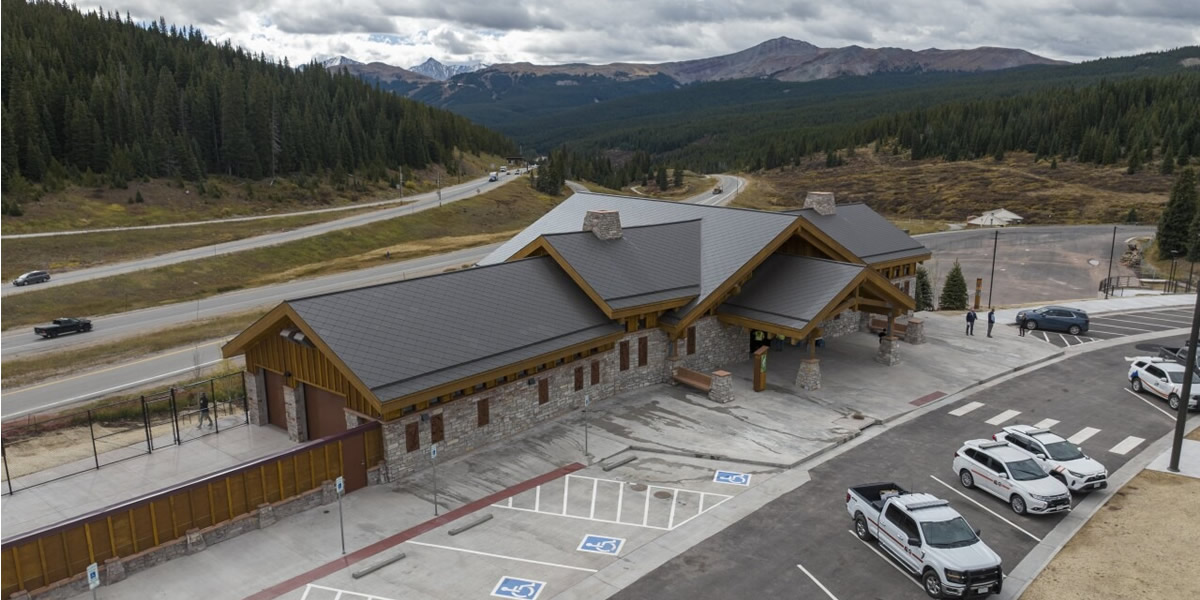
The Vail Pass Rest Area was completely redesigned and reopened with modern facilities to better serve the hundreds of thousands of travelers who pass through this corridor every year.
Inside the visitor center you’ll find clean and spacious restrooms, filtered drinking water stations, accessible facilities, educational exhibits and interpretive displays explaining the area’s wildlife, geology, transportation history and archaeological discoveries. Interactive exhibits introduce visitors to animals commonly found throughout the surrounding mountains, including elk, Canada lynx, marmots and numerous native bird species. Historic photographs and interpretive panels explain how engineers built Interstate 70 through one of Colorado’s most challenging mountain landscapes.
Outside, large observation decks provide spectacular panoramic views of the surrounding mountain ranges, making this one of the most photographed stops between Denver and Vail. Ample parking is available for passenger vehicles, motorcycles, bicycles and larger recreational vehicles, while designated pet areas allow travelers to comfortably take a break with their dogs before continuing the journey.
Why First-Time Visitors Love Stopping Here
If you’ve never visited Colorado before, Vail Pass offers your first real opportunity to experience the scale of the Rocky Mountains.
The air feels noticeably cooler and fresher than in Denver. At more than 10,000 feet above sea level, many visitors immediately notice the dramatic change in elevation. Looking across the surrounding valleys, you’ll see endless mountain ridges stretching toward the horizon, dense pine forests covering the slopes and snow lingering on the highest peaks well into the summer. Many families stop simply to take photographs, breathe the mountain air and appreciate the scenery before continuing to Vail. Others spend additional time exploring nearby trails or enjoying a picnic surrounded by some of Colorado’s most beautiful landscapes.
Rather than thinking of Vail Pass as a highway rest stop, consider it your official welcome to the Colorado Rockies.
Summer Adventures Begin Right Outside the Visitor Center
One of the most unique features of Vail Pass is that outdoor adventure begins only a few steps from the parking area.
During the summer months, visitors have direct access to the famous Vail Pass Recreation Path, one of Colorado’s most scenic paved cycling routes. Many cyclists begin at the summit and enjoy a long downhill ride toward Vail while taking in incredible mountain scenery along the way.
Several local outfitters provide bicycle rentals, shuttle transportation and guided rides, making the experience accessible even for visitors who don’t have their own equipment. Hikers will also discover numerous nearby trails leading into the White River National Forest. Popular routes such as Wilder Gulch, Corral Creek and Shrine Ridge Trail offer opportunities to explore alpine meadows, evergreen forests, wildflower fields and breathtaking overlooks that reveal some of Colorado’s most spectacular mountain scenery. During July and early August, colorful wildflowers blanket many of these meadows, creating one of the state’s most beautiful summer displays.
Winter Brings an Entirely Different Experience
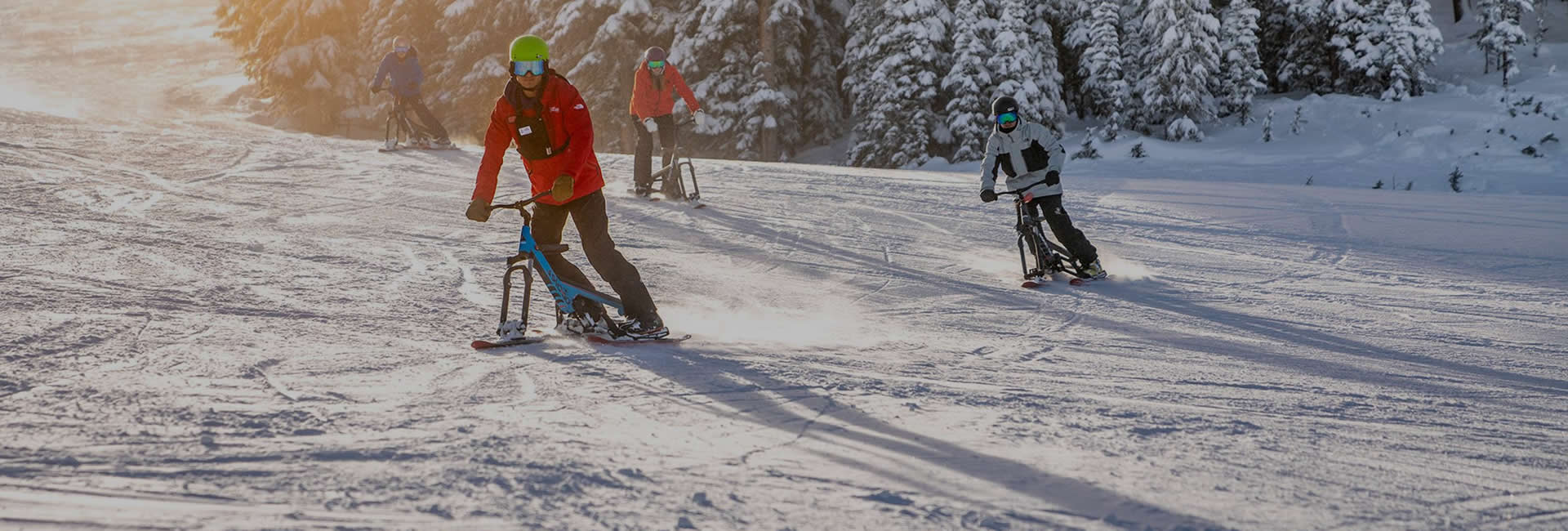
When winter arrives, Vail Pass transforms into one of Colorado’s premier backcountry recreation areas.
Snow blankets the surrounding mountains, creating ideal conditions for snowshoeing, cross-country skiing, backcountry skiing and snowmobiling. The Vail Pass Winter Recreation Area covers approximately 55,000 acres of public land, offering groomed trails as well as backcountry terrain for experienced outdoor enthusiasts. Winter access is generally available from November through May, with permits required for some recreational uses. Several well-known backcountry huts managed by the 10th Mountain Division Hut Association, including Shrine Mountain Inn, Fowler-Hilliard Hut and Janet’s Cabin, provide unforgettable overnight experiences for adventurous visitors exploring Colorado’s snowy wilderness.
Wildlife and Nature
One of the reasons so many travelers enjoy stopping at Vail Pass is the opportunity to experience Colorado’s natural beauty up close.
Depending on the season and time of day, visitors may see elk grazing in nearby meadows, marmots sunning themselves on rocky outcrops or hawks soaring above the surrounding valleys. The forests support an incredible diversity of wildlife, while the changing seasons constantly transform the landscape.
Spring brings melting snow and rushing streams.
Summer fills the mountains with wildflowers.
Autumn covers the hillsides with brilliant golden aspen trees.
Winter creates a breathtaking world of snow-covered forests and frozen alpine landscapes.
Every visit offers a completely different experience.
Helpful Tips Before You Stop
Because Vail Pass sits at a high elevation, first-time visitors should be prepared for rapidly changing weather conditions.
Even during summer, mornings can be cool and afternoon thunderstorms are common. Bringing a light jacket, sunscreen and plenty of water is always recommended. If you’re planning to hike or bike, use the filtered water stations at the visitor center before beginning your adventure. Colorado’s dry mountain air can lead to dehydration much faster than many visitors expect. Always check road and weather conditions during the winter months, as heavy snowfall occasionally causes temporary travel restrictions along Interstate 70.
Great Divide Transportation Makes the Journey Even Easier
Many visitors arrive in Colorado wondering whether they should rent a car for the drive from Denver to Vail. While the journey is incredibly scenic, mountain driving—especially during winter—can be challenging for those unfamiliar with Interstate 70.
At Great Divide Transportation, we eliminate that concern by providing luxury private transportation directly from Colorado’s major airports to Vail and surrounding mountain communities. Instead of focusing on traffic, changing weather conditions or navigating steep mountain grades, you can simply relax and enjoy every mile of one of America’s most scenic drives.
Our experienced professional chauffeurs know the route extremely well and continuously monitor road conditions to ensure every trip is comfortable, safe and on schedule.
Airports We Proudly Serve
Great Divide Transportation provides private luxury transportation from:
- Denver International Airport (DEN)
- Eagle County Regional Airport (EGE)
- Aspen/Pitkin County Airport (ASE)
- Centennial Airport (APA)
- Rocky Mountain Metropolitan Airport (BJC)
- Colorado Springs Airport (COS)
- Yampa Valley Regional Airport (HDN)
- Grand Junction Regional Airport (GJT)
- Northern Colorado Regional Airport (FNL)
- Private Jet FBOs throughout Colorado
Whether you’re traveling to Vail for skiing, hiking, mountain biking, golf or a relaxing vacation in the Rockies, we provide reliable door-to-door service designed around your travel schedule.
Make Vail Pass Part of Your Colorado Adventure
Many travelers pass through Vail Pass without realizing everything this remarkable location has to offer. Yet for those who take the time to stop, it becomes one of the highlights of the journey. From panoramic mountain views and fascinating historical exhibits to hiking trails, cycling routes and year-round outdoor recreation, Vail Pass offers a memorable introduction to the beauty of Colorado’s Rocky Mountains.
Vail Transportation
Begin your vacation with Great Divide Transportation, enjoy one of the most scenic drives in the United States and discover why a simple stop at Vail Pass often becomes an unforgettable part of the entire Colorado experience.