
Vail Ski Resort
Vail Ski Resort is one of the destinations that helped define Colorado as a world-class ski region. Located in the central Rocky Mountains, Vail combines an extensive mountain landscape with pedestrian-friendly alpine villages, restaurants, lodging, ski schools, equipment rentals, and a wide range of winter activities. For someone planning a first trip to Vail, however, the size of the destination can make it difficult to know where to begin.
The mountain itself is extensive, and the experience changes considerably depending on where you ski, your ability level, the weather, and the conditions on the day of your visit. Vail currently lists 5,317 acres of skiable terrain, 32 lifts, and 278 runs, with terrain ranging from areas suitable for beginners to advanced and expert terrain. The resort is also known for its seven Legendary Back Bowls, which have become one of the defining characteristics of skiing at Vail.
But a Vail ski vacation is not only about the mountain. Where you stay, how you reach the resort, how you get around once you arrive, when you visit, where you rent equipment, and how you plan your ski days can all influence the experience. Understanding those details before arriving makes it much easier to enjoy Vail once you are there.
Understanding Vail Mountain
One of the first things to understand about Vail is that this is a large mountain with several different types of terrain rather than a single compact ski area. The resort’s terrain includes groomed runs, bowls, glades, steeper areas, beginner terrain, intermediate cruising and advanced terrain. That variety is one of the reasons Vail can accommodate groups in which different skiers have different levels of experience.
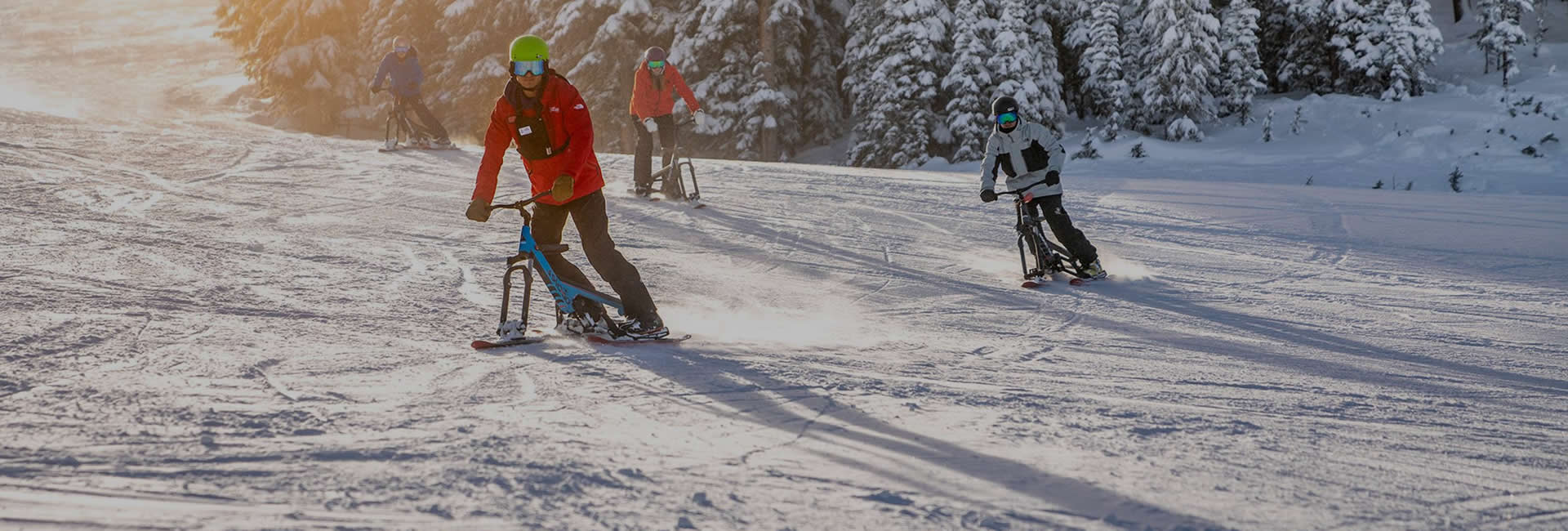
For beginners, the objective should not necessarily be to explore as much of the mountain as possible on the first day. Vail offers ski and snowboard lessons for different experience levels, allowing new visitors to develop their skills before attempting more demanding terrain. The resort also provides equipment rental options and recommends reserving in advance to save time and avoid potentially long waits. Intermediate skiers will find extensive opportunities to spend the day moving between groomed runs and different areas of the mountain. More experienced skiers can explore Vail’s bowls, glades and advanced terrain as conditions and ability allow. The important point is that Vail does not need to be experienced all at once. Its size is better approached as an opportunity to build your days around the type of skiing you enjoy.
Vail’s Legendary Back Bowls
The Back Bowls are one of the features that distinguish Vail from many other Colorado ski destinations.
Rather than being a single run or isolated attraction, the Back Bowls are a collection of broad alpine areas that form a major part of Vail’s identity. Vail currently describes them as its Seven Legendary Back Bowls, and they remain one of the most recognizable elements of the resort. Their appeal is closely connected to natural snowfall and mountain conditions. A fresh snowfall can completely change the character of these areas, while wind, visibility, temperature and grooming conditions can affect what different parts of the mountain feel like on a particular day.
This is why checking the mountain report is much more useful than relying solely on a general weather forecast. Vail’s official snow and weather report provides current information about snow conditions and directs visitors toward specific mountain areas depending on recent snowfall and grooming. For advanced skiers and snowboarders, the Back Bowls can become a major part of the Vail experience. For visitors with less experience, however, they should not be treated as something that must be conquered simply because they are famous. Vail offers enough terrain elsewhere on the mountain to build a rewarding ski day around your own ability and comfort level.
Skiing and Snowboarding for Different Ability Levels
One of Vail’s advantages is the variety of terrain available within the same resort. A family or group does not necessarily need to find another mountain simply because everyone does not ski at the same level.
Beginners can concentrate on learning fundamentals and becoming comfortable on snow. Ski and snowboard lessons can be particularly valuable during the first days of a trip because they provide structured instruction instead of leaving first-time visitors to figure everything out independently. Vail offers lessons for both children and adults. Intermediate skiers have the opportunity to progress toward longer and more varied terrain, while advanced visitors can look for more challenging areas when conditions permit. Vail also has designated freestyle terrain, including a terrain park at Golden Peak. The resort emphasizes that freestyle areas contain features that vary in size and difficulty and that users should understand the risks and inspect features before using them.
The mountain’s size means that your ability level should influence your itinerary. A first-time visitor will have a very different ideal day from an expert skier returning specifically for the Back Bowls. Rather than trying to reproduce someone else’s Vail experience, it makes more sense to use the mountain according to your own interests and ability.
When Is the Best Time to Ski Vail?
Vail’s ski season generally extends from late November into early April, although actual terrain and lift operations depend on snow conditions and mountain operations. Vail’s current snow report notes that the most consistent snow conditions typically occur between early January and mid-March, while also emphasizing that conditions can vary throughout the season. That distinction is important when planning a ski vacation. A trip in early December can offer a very different mountain experience from a trip in February or March. Snow coverage, open terrain, temperatures and grooming can all change as the season progresses.
For the same reason, there is no single date that guarantees the same experience every year. Travelers should look at the current snow report and terrain status rather than assuming that a particular month will automatically provide specific conditions.
Vail maintains separate pages for current snow and weather information, lift and terrain status, and live mountain cameras. These resources can be particularly useful in the days immediately before a trip because they provide a more accurate picture of what is happening on the mountain than an old seasonal article.
What to Know About Vail Weather
Mountain weather deserves its own consideration when planning a Vail ski vacation.
Temperatures can change considerably between the village and higher elevations, while wind, snowfall and visibility can affect both comfort and mountain operations. A blue-sky morning can evolve into very different conditions later in the day, which is why checking the forecast immediately before heading to the mountain is more useful than relying on the weather you saw when booking the trip. Vail recommends preparing with moisture-wicking base layers, insulating mid-layers and water-resistant outerwear. The resort also recommends warm socks, gloves or mittens, goggles or sunglasses and sunscreen, even on cloudy days.
For skiing and snowboarding, the goal is not simply to stay warm. Clothing should allow you to move comfortably while protecting you from moisture and changing conditions. Visitors renting equipment should also plan enough time for fitting and pickup, particularly during busy periods.
Ski and Snowboard Rentals
Traveling with your own equipment is not the only way to ski Vail.
The resort provides ski and snowboard rental options, and Vail currently recommends booking rentals online in advance. Its official information notes that advance booking can save up to 20%, while walk-in guests may experience longer wait times. For travelers flying into Colorado, renting can simplify the trip considerably. Instead of transporting skis or snowboards through the airport and then arranging space for them in a vehicle, visitors can collect properly fitted equipment after arriving in the Vail area.
Equipment rental is also useful for families whose children may need different sizes from one season to the next. Rather than purchasing equipment that may quickly become too small, renting provides more flexibility. If you are taking lessons, Vail also provides rental and lesson options that can be arranged in advance, allowing you to spend less time dealing with logistics once you arrive at the mountain.
Vail Village and Lionshead
One of the defining characteristics of Vail is that the ski resort and its villages are closely connected.
Vail Village is the destination’s best-known pedestrian center, with restaurants, shops, hotels and access to Gondola One. The village was developed with European alpine architecture in mind and remains one of the central gathering points for visitors. Lionshead Village provides another major access point to the mountain through Eagle Bahn Gondola and the Born Free Express Lift. It also has its own hotels, restaurants, shops and pedestrian areas. Vail describes Lionshead as being closed to cars and buses within the village area, with access to the mountain a short walk away.
The two villages are close enough that visitors can move between them on foot or by using Vail’s complimentary in-town bus service. Vail currently states that the walk between Lionshead and Vail Village takes approximately 10–15 minutes, while the free bus operates regularly throughout the day and into the evening.
This layout is one of the reasons you do not necessarily need a rental car once you arrive in Vail.
Getting Around Vail Without a Car
Transportation inside Vail is considerably different from transportation to the resort.
The Town of Vail operates free, year-round bus service throughout the community, providing transportation between the villages and other areas of town. Vail notes that many free routes begin as early as 6:30 a.m. and continue throughout the day and into the early morning. This makes it possible for many visitors to arrive by private transportation or shuttle, leave their vehicle at their hotel or parking facility, and use the local system during their stay.
The regional Core Transit network also connects Vail with communities throughout Eagle County, including Avon, Beaver Creek, Edwards, Eagle, Gypsum and Minturn. Vail currently notes that most routes are free, while fares apply to certain trips involving Gypsum, including Eagle County Regional Airport, or Leadville. For a ski vacation centered around Vail Village and Lionshead, this combination of walking and public transportation can eliminate much of the need to drive.
Getting to Vail for a Ski Vacation
Where you fly can have a significant effect on the ground transportation portion of your trip.
Eagle County Regional Airport (EGE) is the closest airport to Vail, located approximately 30 miles from the resort. Denver International Airport (DEN) is approximately 119 miles away. Vail identifies both airports as gateways to the resort and notes that shuttle services, private car services and rental cars are available. For many travelers, Denver offers the advantage of a large selection of flights, while Eagle provides a much shorter ground transfer. The right choice depends on flight availability, price, itinerary and how much time you want to spend traveling by road after landing.
From Denver, the journey follows I-70 west through the Rocky Mountains. Vail currently lists the distance from downtown Denver at approximately 97 miles and from Denver International Airport at approximately 119 miles. Under normal conditions, the resort estimates around 1¾ hours from Denver, but traffic and driving conditions can change the actual travel time. During winter, that difference matters. Snow, ice, traffic and changing mountain conditions can turn a normally straightforward journey into a much longer drive.
Private Transportation to Vail
For travelers who prefer not to drive in the mountains, private transportation provides a direct alternative. A private airport transfer can take you from Eagle County Regional Airport or Denver International Airport directly to your hotel, vacation rental or other destination in the Vail Valley. Instead of collecting a rental vehicle and navigating I-70 after a flight, you can travel with a professional driver and focus on arriving ready for your ski vacation.
This can be particularly convenient for families traveling with children, groups carrying ski equipment, couples looking for a more private experience, or visitors arriving after a long international flight. Great Divide Transportation provides private transportation between Denver, Denver International Airport, Eagle County Regional Airport and Vail, as well as transportation throughout surrounding Colorado mountain communities.
The important distinction is that transportation should be considered part of the ski trip rather than an afterthought. Getting to the mountain comfortably can make the first and last days of a vacation considerably easier.
Where to Stay in Vail
Choosing where to stay can influence how you experience the resort.
Staying in or near Vail Village puts you close to Gondola One, restaurants, shops and the pedestrian center of the destination. Lionshead provides another convenient base, particularly for travelers who want quick access to Eagle Bahn Gondola and the surrounding village. Vail also has accommodations beyond the two central villages, including properties in areas such as West Vail and East Vail. The free local bus system can make these locations practical alternatives for visitors who do not need to be immediately next to a gondola.
The resort’s official information currently lists a broad range of hotels and lodging options, including The Lodge at Vail, Sonnenalp, The Sebastian, Four Seasons Resort Vail, The Arrabelle and other properties in and around the villages. The best location ultimately depends on what matters most to your trip: immediate mountain access, dining and nightlife, family convenience, accommodation style, or a quieter location away from the center.
What to Do in Vail Besides Skiing and Snowboarding
Not everyone traveling to Vail will spend every day skiing.
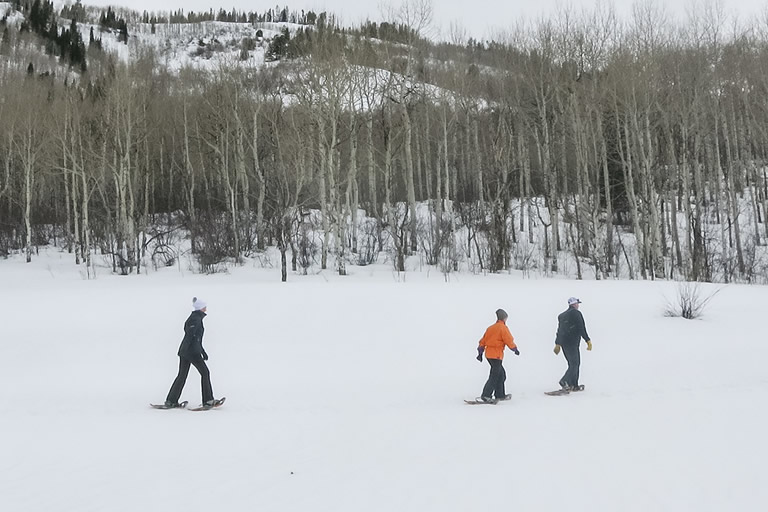
Some visitors may be traveling with people who do not ski, while others simply want to take a break after several days on the mountain. Vail offers a variety of winter experiences beyond skiing and snowboarding, including scenic gondola rides, ice skating, snowshoeing, snowmobile activities, dog sledding, tubing and spa experiences. The pedestrian villages themselves are also part of the experience. Shopping, restaurants, cafés, après-ski venues and mountain dining give visitors plenty to do after leaving the slopes.
This is particularly useful when planning a longer vacation. You do not have to structure every day around lift opening and closing times. A ski vacation in Vail can include full mountain days, shorter ski sessions, sightseeing, dining, spa time and other winter activities.
Planning Your First Day at Vail
A little preparation can make your first ski day much easier.
Before leaving your hotel, check the current weather, snow report and lift and terrain status. Vail provides live mountain information, webcams and operational updates through its website and My Epic app. If you need rental equipment or lessons, reserve them in advance whenever possible. Vail specifically recommends advance booking for rentals and lessons to save time and avoid unnecessary delays.
It is also worth understanding where you are entering the mountain. If you are staying near Vail Village, Gondola One may be the most convenient access point. If you are staying in Lionshead, Eagle Bahn and the Born Free Express provide direct access from that village. Knowing this before the morning rush can make the beginning of your ski day considerably smoother.
And perhaps most importantly, do not underestimate the size of the mountain. Give yourself time to understand the layout rather than trying to cover every area during your first day.
Parking and Transportation During Your Stay
Visitors who drive to Vail should plan parking before arriving, particularly during busy winter periods. Vail Village and Lionshead each have parking structures close to the mountain access points. The resort currently lists the Vail Village structure at 241 E Meadow Drive and the Lionshead structure at 395 S Frontage Road W, with access to Gondola One and Eagle Bahn respectively. Winter rates vary depending on whether the day is peak or non-peak.
For many visitors staying overnight, however, driving every day may not be necessary. The free in-town bus system provides an alternative, and the pedestrian layout of Vail Village and Lionshead makes walking practical for many trips. If you are arriving from Denver or an airport, arranging transportation before your trip can therefore be a more convenient strategy than renting a vehicle for the entire vacation.
Check Vail’s Current Mountain Conditions
Mountain conditions can change quickly, so an article about Vail Ski Resort should never replace the resort’s current report.
Before skiing, check the official snow and weather report, lift and terrain status, and live mountain webcams. Vail provides these resources so visitors can see current snow conditions, operating lifts, available terrain and what the mountain actually looks like before heading out. This is particularly important if your trip is several days long. A forecast made before you leave home cannot tell you exactly which lifts will operate, which terrain will be open or how much fresh snow has fallen overnight.
For the most accurate information, use the resort’s current mountain reports on the day of your visit.
Experience Vail Beyond the Slopes
A ski vacation at Vail is ultimately about more than checking runs off a trail map.The mountain provides the skiing and snowboarding, but the villages, restaurants, hotels, transportation network and winter activities create the environment around it. That combination is part of what makes Vail different from simply visiting a mountain for the day.
For experienced skiers, the Back Bowls and extensive terrain can provide enough variety for repeated visits. For beginners, lessons and approachable terrain create room to learn. For families, the combination of skiing, pedestrian villages and activities away from the slopes makes it possible for everyone to build their own version of a mountain vacation.
And for travelers who do not ski at all, Vail still offers plenty of ways to experience winter in the Rocky Mountains.
The most important thing is to arrive prepared, understand how the mountain and villages are organized, check current conditions and choose transportation that fits your itinerary. Once those details are taken care of, you can stop worrying about the logistics and concentrate on what brought you to Colorado in the first place: the mountains.
Vail Transportation
Private Airport Transportation to Vail and Colorado Mountain Resorts
Travel comfortably from Denver International Airport (DEN), Eagle County Regional Airport (EGE), or other Colorado airports to Vail and the surrounding mountain resorts. Great Divide Transportation provides private, door-to-door transportation designed around your schedule, whether you are arriving for a ski vacation, family getaway, business trip, or special event.
Our professional drivers handle the journey so you can relax and enjoy the ride. From airport transfers to transportation between Vail, Beaver Creek, Breckenridge, Aspen, and other Colorado mountain destinations, we provide comfortable private transportation with the flexibility your trip requires.
With Great Divide Transportation, the journey to the mountains is part of the experience. Travel comfortably, arrive relaxed, and let us take care of the road.

vail transportation