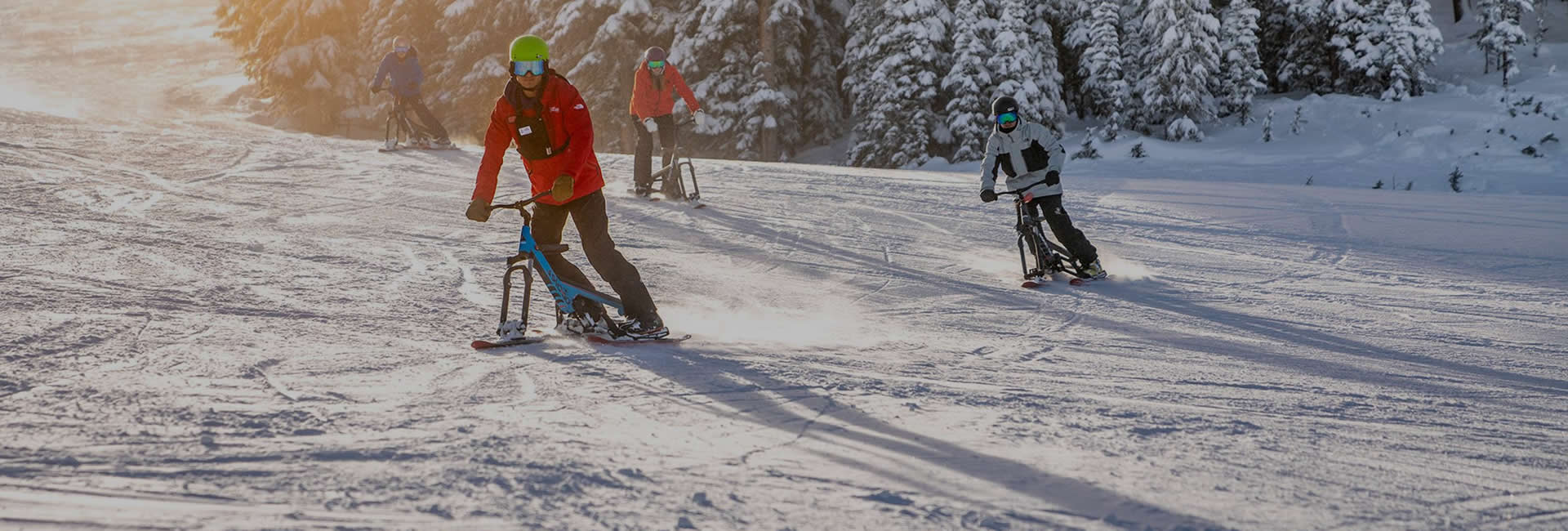
Prepare for Your Vail, Colorado Ski Trip with These Essential Fitness Tips
A ski trip to Vail, Colorado, sounds easy when you’re sitting at home imagining yourself gliding through fresh snow, riding a chairlift above the trees and enjoying the spectacular views of the Rocky Mountains. But once you actually put on your ski boots and spend several hours moving downhill, turning, stopping, absorbing bumps and constantly adjusting your balance, you quickly realize that skiing is much more physically demanding than it looks. You don’t necessarily need to be an elite athlete to enjoy Vail Mountain, but arriving with a reasonable level of strength, endurance, balance and mobility can make a tremendous difference in how you feel during your vacation.
This is especially true when you’re traveling from a lower elevation. Vail sits at a high altitude, and the combination of thinner air, cold temperatures, physical exertion and long days outdoors can make your first few days feel considerably more demanding than expected. Vail Mountain itself recommends paying attention to hydration and acclimatization because the high-altitude environment means visitors are dealing with lower oxygen availability, colder temperatures, lower humidity and changes in air pressure.
How to Get in Shape for a Ski Trip to Vail, Colorado
The good news is that preparing for a Vail ski trip doesn’t require an extreme workout program. What matters most is consistency. If you spend several weeks strengthening your legs, improving your cardiovascular endurance, working on your core and maintaining flexibility, you’ll arrive with a much better foundation for skiing or snowboarding. And perhaps even more importantly, you’ll have a better chance of enjoying the entire vacation instead of spending the second or third day wondering why every muscle in your body hurts.
Why Physical Preparation Matters Before Skiing in Vail
Skiing is often described as a recreational activity, but from a physical perspective it combines several different demands at the same time. Your legs are constantly working to maintain position and control speed, your core is stabilizing your body while you turn, your cardiovascular system is supplying energy during repeated runs, and your joints are absorbing forces every time you change direction or encounter uneven terrain. Even a skier who isn’t moving particularly fast can accumulate a surprising amount of fatigue over the course of a full day.
The challenge becomes greater because skiing is performed at altitude and usually in cold weather. Vail’s environment can make physical exertion feel different from what you’re accustomed to at home, particularly during the first days of your trip. That is why being physically fit is useful, but it is also important not to confuse fitness with immunity to altitude. Even people who exercise regularly can experience fatigue or altitude-related symptoms when they arrive in the mountains. Vail’s guidance emphasizes hydration, gradual acclimatization and paying attention to how your body responds rather than simply pushing through discomfort.
Start Training Before Your Vail Ski Vacation
Ideally, preparation should begin several weeks before you travel. Discover Vail recommends beginning ski conditioning roughly eight to twelve weeks before a trip, although starting later is still better than doing nothing. The objective isn’t to transform yourself into a professional skier before arriving; it is to gradually develop the physical qualities that skiing demands so that your first day on the mountain doesn’t become an exhausting shock to your body.
If you have two or three months available, use the first part of your training to establish basic strength and cardiovascular fitness. As your trip gets closer, gradually increase the intensity while maintaining mobility and recovery. During the final week, there is little benefit in trying to cram months of training into a few days. Arriving rested and healthy is more valuable than arriving exhausted because you attempted an aggressive workout program immediately before your flight.
Build Strong Legs for Vail’s Slopes
Your lower body does most of the obvious work when you’re skiing, but it isn’t simply about having strong quadriceps. Your hamstrings, glutes and calves all contribute to maintaining your position, absorbing changes in terrain and controlling your movements. Strong legs can also help you maintain better technique when fatigue begins to appear, which matters because poor technique caused by exhaustion can make skiing more difficult and potentially increase the risk of losing control.
Squats are one of the most practical exercises to include in a ski-conditioning program because they develop strength throughout the legs and hips while also teaching you to maintain control through a bent-knee position. Lunges are equally useful because skiing isn’t performed with both legs doing exactly the same thing at every moment. Single-leg strength and stability become important when you’re turning, shifting weight and responding to changes in terrain.
Calf raises can also be useful because your lower legs are constantly involved in maintaining your position inside ski boots. You don’t need an enormous number of exercises. A consistent routine built around squats, lunges, step-ups, calf raises and controlled movements can provide a strong foundation.
Don’t Train Only for Maximum Strength
One mistake people sometimes make when preparing for a ski trip is focusing exclusively on how much weight they can lift. Skiing requires strength, but it also requires muscular endurance. Being able to perform five very heavy squats doesn’t necessarily mean you’ll feel comfortable after several hours of repeated turns.
For that reason, your training should eventually include movements that require you to maintain effort over longer periods. Bodyweight squats, split squats, walking lunges, step-ups and wall sits can all be incorporated alongside conventional strength training. The objective is to teach your muscles to continue working when you’re already tired.
Strengthen Your Core for Better Balance
Your core plays a much larger role in skiing than many beginners realize. Your abdominal muscles, lower back and surrounding stabilizing muscles help keep your upper body controlled while your legs move underneath you. When your core is strong, it becomes easier to maintain balance and avoid excessive movement that wastes energy.
Planks are a simple place to start because they develop endurance throughout the core without requiring complicated equipment. Bird-dog exercises can help develop coordination and stability, while controlled rotational exercises can complement the movements involved in skiing. The goal isn’t to build a bodybuilder’s abdominal muscles; it’s to develop a stable center that allows your legs to do their work efficiently.
This becomes particularly noticeable when you’re tired. Early in the morning, maintaining good posture may feel effortless. Several hours later, fatigue can cause your body position to deteriorate. A strong core gives you a better foundation for maintaining control throughout the day.
Improve Your Cardiovascular Endurance
Skiing isn’t continuous cardiovascular exercise in the same way as running or cycling. Instead, it consists of repeated periods of exertion followed by relatively short recovery periods while you ride a chairlift, stop to regroup or take a break. Your conditioning should therefore include both steady aerobic work and some higher-intensity intervals.
Running, cycling, rowing, hiking and other aerobic activities can help establish your general endurance. Once you have that foundation, interval training can be useful because it introduces periods of increased effort followed by recovery. This resembles the stop-and-go nature of many ski days more closely than simply walking on a treadmill for an hour.
Cardiovascular fitness also helps you enjoy the vacation beyond skiing. Vail offers plenty of opportunities to walk through the villages, explore restaurants, participate in winter activities and spend time outdoors. If you’re exhausted after every ski run, you may not have much energy left for the rest of what the destination has to offer.
Don’t Forget Mobility and Flexibility
Strength and endurance are only part of the equation. Your hips, hamstrings, ankles and shoulders also need to move comfortably. Limited mobility can make certain skiing positions feel unnatural and may cause you to compensate with other parts of your body. A combination of dynamic warm-ups before exercise and stretching after training can help maintain mobility. Yoga and Pilates can also be useful additions because they combine flexibility, balance, body awareness and controlled movement. You don’t need to become exceptionally flexible; you simply want your body to be capable of moving through the positions that skiing requires without unnecessary tension.
Create a Simple Eight- to Twelve-Week Ski Fitness Plan
If your Vail vacation is still several months away, you have enough time to build a meaningful fitness base without rushing. During the first few weeks, concentrate on developing basic strength and consistency. Squats, lunges, step-ups, planks and cardiovascular exercise can form the foundation of your routine.
As the trip gets closer, gradually increase the duration and intensity of your cardiovascular sessions and incorporate more muscular-endurance work. You can also introduce interval training and exercises that challenge balance and single-leg stability. During the final week before your trip, reduce the intensity rather than trying to set new personal records. You want to arrive in Colorado feeling strong and rested, not sore from your final workout.
Nutrition Before and During Your Ski Trip
Physical preparation doesn’t end with exercise. What you eat and drink can influence how you feel during a long day on the mountain. Your body needs carbohydrates for readily available energy, protein for muscle maintenance and recovery, and healthy fats as part of a balanced diet. The goal isn’t to follow a complicated “ski diet”; it’s to arrive well nourished and avoid starting your day with an empty tank. Breakfast becomes particularly important on ski days. Vail Mountain recommends starting the day hydrated and eating a good breakfast, particularly before lessons or extended time on the mountain.A breakfast containing carbohydrates and protein can provide sustained energy without leaving you feeling excessively full.
During the day, don’t wait until you’re exhausted before eating. Small snacks can help maintain energy, particularly when you’re skiing for several hours. Nuts, trail mix, fruit, energy bars or other convenient foods can be useful to keep in your jacket or backpack where permitted.
Hydration Becomes Even More Important at Altitude
One of the easiest mistakes to make during a Colorado ski vacation is simply forgetting to drink enough water. The cold weather can make you less aware of thirst, while physical activity and the dry mountain environment can contribute to fluid loss. Vail’s mountain guidance specifically recommends hydration as part of adapting to the high-altitude environment. It’s also worth remembering that alcohol and altitude aren’t an ideal combination when you’re still acclimatizing. You may be tempted to celebrate your first day in Vail with an après-ski drink, but moderation is particularly sensible during the early part of the trip. If you develop symptoms such as headache, nausea, dizziness, unusual fatigue or difficulty breathing, don’t simply assume you need to push through them. Vail’s guidance recommends taking it easy and seeking medical attention when symptoms are serious or persistent.
Give Your Body Time to Adjust to Vail’s Elevation
Being physically fit doesn’t automatically mean you’re acclimatized to altitude. Someone who runs five miles every morning at sea level may still notice the difference after arriving in Vail. The body needs time to adjust to the lower oxygen availability associated with higher elevation.For that reason, don’t make your first few hours in Colorado the most physically demanding part of your vacation. If possible, give yourself some time to settle in before attempting a marathon ski day. Hydrate, eat properly, sleep well and pay attention to how you feel. Vail Mountain specifically notes that visitors may experience mild altitude-related symptoms and recommends hydration, nutrition and acclimatization.
Warm Up Before You Get on the Mountain
A few minutes of movement before skiing can make your body feel considerably better once you begin. You don’t need a complicated workout in your hotel room. Dynamic movements such as leg swings, arm circles, walking lunges, gentle squats and hip rotations can help you transition from several hours of sitting or sleeping into an active day.
Discover Vail similarly recommends a short morning warm-up before getting on the mountain, including stretches, lunges, leg and arm swings and hip and torso movements.
The purpose is not to tire yourself out before skiing. The purpose is to get your body moving gradually before asking it to perform.
Ski at Your Ability Level
Fitness can improve your ability to ski, but it doesn’t replace technique or experience. One of the smartest things you can do on a Vail ski vacation is to choose terrain that matches your current ability. Trying to ski terrain beyond your skill level because you’re physically fit can still lead to fatigue, loss of control or injury. Vail offers beginner terrain and progression-focused areas, and taking a lesson can be especially valuable for first-time skiers or people returning after a long break.Good technique also makes skiing more efficient, which means you’re less likely to waste energy fighting your equipment or terrain.
Learn to Recognize Fatigue
This may be one of the most important fitness tips of all. A ski vacation isn’t a competition to see who can stay on the mountain until the lifts close every day. As your legs become tired, your technique can deteriorate. You may begin leaning backward, losing control of your turns or struggling to absorb changes in terrain. That’s when taking a break becomes part of skiing intelligently rather than a sign that you’re not fit enough.
Sometimes the best decision is to stop for lunch, drink some water, warm up and return later. Other times, your body is telling you that you’ve had enough for the day. Listening to that signal can help you enjoy the rest of your vacation rather than sacrificing tomorrow because you pushed too hard today.
Recovery Is Part of Your Ski Training
Recovery should begin as soon as you finish skiing. Your legs have spent hours working, your body has been exposed to cold temperatures and your energy reserves have been depleted. Give yourself time to cool down, eat, hydrate and relax before immediately jumping into another activity.Gentle stretching can help you transition out of the day’s activity, while adequate sleep gives your body the opportunity to recover. If your accommodation has a hot tub, sauna or other wellness facilities, they can be a relaxing part of your evening, although they should complement rather than replace proper hydration, nutrition and rest.
Vail is also a destination where recovery can become part of the vacation itself. A slower afternoon, a good meal, a massage or simply relaxing in your hotel can leave you better prepared for another day on the mountain.
What to Pack for a Vail Ski Trip
Fitness preparation won’t help much if you’re uncomfortable on the mountain because you didn’t bring the right equipment. Your ski clothing should allow you to stay warm while also managing moisture. Proper ski boots are particularly important because poor fit can cause discomfort long before your legs actually become tired. A helmet and properly fitted goggles are essential pieces of ski equipment, while sunscreen and lip protection are also important in Colorado’s high-altitude environment. Vail’s current guidance emphasizes sun protection and preparation for changing mountain conditions.
Layering is another important consideration. Mountain temperatures can change significantly throughout the day, so being able to add or remove layers allows you to remain comfortable as conditions change.
Don’t Forget the Rest of Your Vail Vacation
One of the advantages of arriving in good physical condition is that your trip doesn’t have to revolve exclusively around skiing. Vail has an enormous amount to offer beyond the slopes, and having energy left at the end of the day allows you to enjoy restaurants, après-ski activities, shopping, spas, winter walks and other experiences. That is particularly important for families and groups where not everyone skis at the same level. Some people may want to spend the entire day on the mountain while others may prefer a few hours of skiing followed by a leisurely afternoon. Being prepared physically gives everyone more flexibility.
Plan Your Transportation Before Your Ski Trip
Transportation is another part of your Vail vacation that is worth planning before you arrive. After a long flight, the last thing many travelers want to do is pick up a rental vehicle, load several pieces of luggage and ski equipment, and immediately begin driving through Colorado’s mountain roads during winter.
Arranging private transportation from the airport allows you to make the transition from your flight to your vacation much more comfortably. Whether you’re arriving through Denver International Airport or Eagle County Regional Airport, having your transportation arranged in advance means you can focus on getting settled rather than figuring out the next part of the journey.
For families, couples and groups carrying ski equipment, private transportation can also make the logistics considerably easier. Instead of coordinating multiple vehicles or trying to fit everyone’s luggage into a rental car, you can travel together directly to your Vail accommodation.
Your Best Vail Ski Day Starts Before You Reach the Mountain
A great day on Vail Mountain doesn’t actually begin when you step into your skis. It begins weeks or even months earlier when you decide to prepare your body for the trip. Building leg strength, improving cardiovascular endurance, strengthening your core, maintaining mobility and learning to manage fatigue can all make the experience more enjoyable.Once you arrive, the same philosophy continues. Hydrate, eat properly, give yourself time to acclimatize, warm up before skiing, choose terrain appropriate for your ability and take breaks before you’re completely exhausted. Vail itself recommends preparation and awareness because the mountain environment introduces challenges that visitors may not experience at home.
Most importantly, remember why you’re going. You’re not traveling to Vail to complete a fitness test. You’re going to enjoy the mountains, the snow, the scenery and the experience of spending time in one of Colorado’s most remarkable resort destinations.
Prepare your body before you leave, take care of yourself when you arrive, and give yourself enough time to enjoy everything Vail has to offer. Your ski vacation will be better for it.
Vail limo Service ✈︎
Vail, Beaver Creek, Aspen Snowmass Limo Services
Premium Vail Limo Services
Our Vail limo services provide comfortable, private, and reliable transportation throughout Colorado’s premier mountain destinations, including Vail, Beaver Creek, Aspen, Snowmass, and Summit County. We connect travelers with major airports and regional aviation facilities such as Denver International Airport (DEN), Eagle County Regional Airport (EGE), Aspen/Pitkin County Airport (ASE), Rifle Garfield County Airport (RIL), and the Vail Valley Jet Center, making it easy to get from the airport directly to your hotel, resort, private residence, or other destination.
Beyond airport transportation, our private car and limo services are available for corporate travel, conferences, weddings, concerts, special events, group transportation, and private occasions. Whether you’re visiting Colorado for a ski vacation, attending an important business event, celebrating a wedding, or simply exploring the mountains, our experienced drivers provide a smooth and personalized transportation experience from start to finish.
From Vail and Beaver Creek to Aspen, Snowmass, and Summit County, we make getting around Colorado easier, more comfortable, and less stressful, so you can spend less time worrying about the road and more time enjoying your trip.

vail transportation