
Hiking in Breckenridge, Colorado: Trails, Seasons and Everything You Need to Know
Hiking in Breckenridge is one of the best ways to experience the Colorado Rockies beyond the ski slopes. During the warmer months, the landscape around town opens into a network of trails surrounded by evergreen forests, alpine meadows, wildflowers, mountain streams and dramatic views of the Tenmile Range. In autumn, the scenery changes again as the aspen groves turn brilliant shades of gold. Even in winter, when snow covers the landscape, hiking remains possible with the right equipment and an understanding of mountain conditions.
One of the reasons hiking in Breckenridge is so appealing is the variety. You don’t have to be an experienced mountaineer to enjoy the area. There are relatively accessible trails close to town, longer routes for hikers looking for a challenge and high-elevation terrain for people who want to experience the alpine environment more directly. Breckenridge’s tourism organization describes hundreds of miles of trails in and around the community, ranging from gentler dirt roads to challenging summit routes.
That variety, however, can make planning your first hiking trip somewhat confusing. A trail that looks manageable on a map may feel very different when you’re hiking at high elevation. Weather can change quickly, trail conditions vary by season and a route that is ideal in July may not be appropriate in October or January.
The key to enjoying Breckenridge hiking is therefore not simply finding the longest or most spectacular trail.
It’s finding the right trail for the season, your experience level, the weather and the type of day you want to have.
Why Hiking in Breckenridge Is So Special
Breckenridge offers something that is difficult to reproduce in a city park or lower-elevation hiking destination: you can begin your day relatively close to town and quickly find yourself surrounded by the landscapes that define the Rocky Mountains. The environment changes as you gain elevation. Dense evergreen forests give way to open mountain terrain, wildflowers appear during the warmer months and distant peaks become increasingly prominent. In some areas, remnants of Colorado’s mining history add another layer to the landscape, creating trails where natural scenery and local history exist side by side.
This is one of the reasons hiking feels so closely connected to Breckenridge’s identity. The town isn’t simply a place where you sleep before going into the mountains. The mountains are part of the community itself. The official Breckenridge hiking information highlights the enormous variety of trails available in and around town and encourages visitors to explore responsibly while following Leave No Trace principles and checking trail conditions before heading out.
For a visitor, that means you have an unusual amount of flexibility.
You can spend an entire day on a challenging mountain route, take a relatively short walk before lunch or build hiking into a larger itinerary that includes sightseeing, dining and exploring downtown.
When Is the Best Time to Go Hiking in Breckenridge?
The best time to hike depends largely on what you want to see.
Summer is the most straightforward season for traditional hiking. Trails that may be covered by snow during winter are generally more accessible, wildflowers add color to mountain meadows and longer daylight hours give hikers more flexibility. Fall brings a completely different experience. The aspen trees around Breckenridge begin changing color as temperatures drop, creating the golden landscapes that make September and early October especially popular with visitors. The exact timing changes from year to year, so anyone planning a trip specifically for fall foliage should monitor current local conditions rather than relying on a fixed calendar date. Winter hiking is possible as well, but it is not simply summer hiking with colder temperatures. Snow, ice, shorter daylight hours and changing mountain conditions require different equipment and more preparation. Breckenridge’s own winter guidance recommends using winter trail maps and considering equipment such as snowshoes, cross-country skis or appropriate winter boots depending on conditions.
That seasonal distinction is important.
There is no single “Breckenridge hiking season.” There are several different hiking experiences throughout the year.
Summer Hiking in Breckenridge
For many visitors, summer is the classic hiking season in Breckenridge.
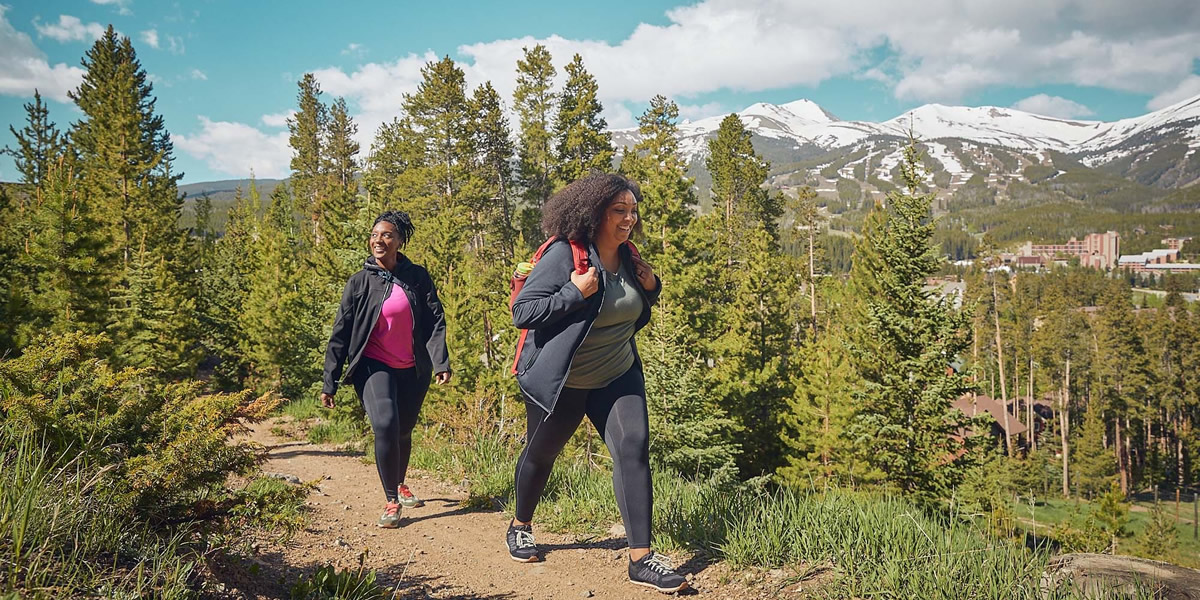
The landscape is at its most accessible, mountain trails open up and the surrounding forests and meadows become especially vibrant. Wildflowers can add color to the landscape, while streams, waterfalls and mountain views provide plenty of reasons to stop along the way. The official Breckenridge hiking guide describes summer as a particularly rewarding time to explore the Rocky Mountains, with hundreds of miles of trails available in and around the community.
But don’t make the mistake of thinking that summer hiking in Colorado automatically means easy conditions.
Breckenridge sits at high elevation, and even a pleasant summer day in town can feel very different on a higher trail. Weather can change quickly, thunderstorms can develop and temperatures can fall when clouds move over the mountains.
A successful summer hike therefore requires more than checking whether the forecast says “sunny.”
You should understand the elevation, distance, terrain and expected weather before leaving.
Hiking in Breckenridge During Fall
Fall may be the most visually dramatic season for hiking in Breckenridge.
As the aspens change color, trails through forested areas can become surrounded by brilliant gold. The contrast between the yellow aspens, dark evergreen trees and high mountain peaks creates some of the most recognizable scenery in Colorado. The timing is short and unpredictable, however. Higher elevations can change earlier than lower areas, and weather conditions can accelerate or delay the process.
This makes fall hiking particularly well suited to travelers who are willing to be flexible.Rather than choosing one trail weeks in advance and assuming it will be at peak color, check local foliage reports and current trail conditions shortly before your hike. Breckenridge’s tourism organization maintains seasonal information specifically to help visitors follow the progression of the fall colors.
If seeing the aspens is one of the main reasons for your trip, that information can be more valuable than any generic “best time to visit” recommendation.
Winter Hiking in Breckenridge
Winter transforms the hiking experience completely.
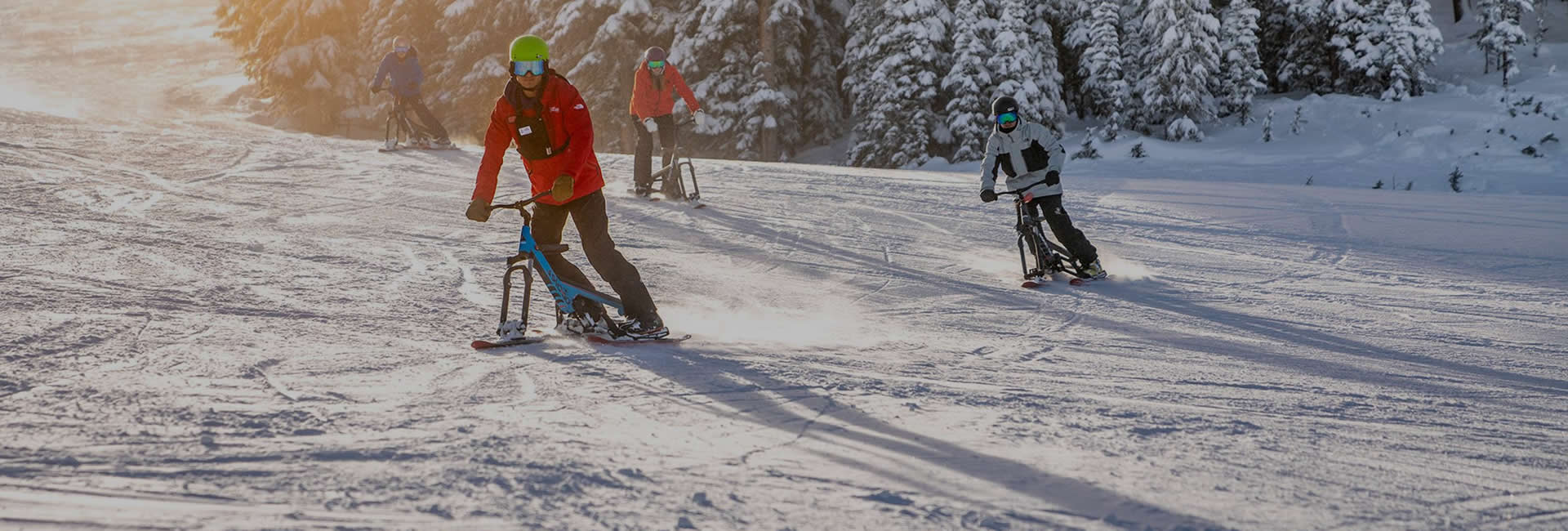
Snow-covered trees, frozen landscapes and quiet trails create a very different atmosphere from summer. Breckenridge’s official hiking information notes that winter visitors may use winter boots, snowshoes, cross-country skis or other appropriate equipment depending on the route and conditions. The important thing is to understand that a trail that is clearly defined during summer may look completely different under snow.
Trail markers can be harder to identify, snow can obscure the terrain and conditions can change rapidly.
For that reason, winter hikers should consult current trail information and weather conditions before setting out rather than assuming that a summer route remains equally accessible during winter.For visitors who want a snowy outdoor experience without committing to downhill skiing, snowshoeing can be an excellent alternative. Breckenridge also has Nordic and cross-country skiing opportunities, giving visitors several ways to explore the winter landscape beyond the resort’s ski runs.
How to Choose the Right Breckenridge Hiking Trail
The best hiking trail isn’t necessarily the one with the highest elevation or the most dramatic photograph online.
It is the trail that matches your actual ability and your plans for the day.
Consider how much time you have, how comfortable you are with elevation gain, what the weather is doing and whether you’re hiking alone, with friends or with children. A route that sounds short in terms of mileage can still be demanding if it climbs significantly or reaches high elevation.
You should also consider what you actually want to experience.
If your priority is scenery and photography, you may prefer a route with expansive mountain views. If you’re interested in history, a trail associated with Breckenridge’s mining heritage may be more rewarding. If you’re traveling with children, an accessible route with a manageable distance may be much more enjoyable than trying to complete an ambitious summit hike.
Don’t choose a trail simply because someone called it one of the “best hikes in Breckenridge.”
Choose it because it is the right hike for you.
Interestingly, GoBreck itself makes this point in its local advice: the most popular trails can become busy on weekends, and visitors looking for more solitude may want to avoid choosing their hike solely from generic top-ten lists.
Hiking From Downtown Breckenridge Without a Car
One of the most convenient aspects of hiking in Breckenridge is that you don’t necessarily need a vehicle for every trail.
The local tourism organization specifically highlights hikes that can be accessed without a car, as well as routes beginning from or near Main Street.
That can change the way you plan your vacation.
Instead of waking up, getting into a vehicle, finding parking and driving to a trailhead every morning, you can sometimes start your day by walking from your accommodation into the surrounding trail network.
For travelers who prefer not to rent a car, this is a significant advantage.
It also becomes increasingly useful during busy periods when popular trailheads and parking areas can become crowded.
If you do need transportation to a trailhead, check the current local transportation options before your trip rather than assuming that every trail is easily accessible by vehicle.
Breckenridge Hiking for Beginners
If you’re new to hiking at altitude, resist the temptation to make your first Breckenridge hike an ambitious summit attempt.
The altitude itself can make an otherwise moderate effort feel considerably harder, particularly if you’re visiting from a much lower elevation. Your breathing, pace and overall energy level may feel different than they do at home.
A better approach is to start conservatively.
Choose a trail that fits your experience, walk at a comfortable pace and give yourself time to adjust to the elevation. You can always hike farther if you’re feeling good.
You cannot make a difficult trail easier simply because you started too late in the day.
The goal of your first hike should be to enjoy the mountains, not to prove something.
Breckenridge’s tourism resources also specifically provide information about adjusting to the local altitude, which is worth reviewing before undertaking strenuous hiking.
Hiking With Children in Breckenridge
Breckenridge can be a wonderful hiking destination for families, but choosing an appropriate trail becomes even more important when children are involved.
Kids don’t necessarily care about reaching a summit.
They care about whether there is something interesting to see along the way.
A stream, waterfall, wildlife, wildflowers or an unusual rock formation can turn a relatively short hike into an adventure. This is often a better strategy than choosing a long route simply because it has impressive statistics.
Allow extra time, bring appropriate clothing and snacks, and remember that mountain weather can change quickly.
A family hike should feel like part of the vacation rather than an endurance test.
Hiking at High Altitude
Altitude is one of the most important differences between hiking in Breckenridge and hiking in many other destinations.
The town itself sits at approximately 9,600 feet above sea level, meaning visitors may notice the thinner air even before they begin a strenuous hike.
That doesn’t mean every visitor will experience problems, but it does mean you should respect the environment.
Start slowly, stay hydrated and pay attention to how you’re feeling. If you experience significant symptoms or feel unwell, don’t assume you simply need to push through them.
Altitude affects people differently, and a visitor who is physically fit at sea level can still need time to adjust.
This is another reason why choosing a moderate first hike can be a smart strategy.
You’re not only learning the trail.
You’re learning how your body responds to Breckenridge.
What Should You Bring on a Breckenridge Hike?
Your equipment should reflect the season and the trail.
During summer, comfortable hiking shoes, water, sun protection, layers and basic navigation equipment are important. In fall, additional warm clothing becomes increasingly valuable because temperatures can drop quickly, particularly in the morning and evening.Winter requires a completely different approach. Depending on the route and conditions, appropriate winter boots, snowshoes or other equipment may be necessary.
Regardless of the season, don’t underestimate the sun.
At Breckenridge’s elevation, sun exposure can be significant even when temperatures feel comfortable. Sunglasses, sunscreen and a hat can make a long day outdoors much more enjoyable.
And always bring more water than you think you will need for a short outing.
High-altitude hiking combined with dry mountain air can increase the importance of staying hydrated.
What About Weather on Breckenridge Hiking Trails?
Mountain weather deserves respect.
A forecast that looks perfect in Breckenridge doesn’t necessarily mean conditions will remain identical several miles away or thousands of feet higher.
Clouds can develop quickly, temperatures can fall and storms can make exposed terrain considerably less comfortable.During summer, afternoon thunderstorms are one reason many experienced hikers prefer to start earlier rather than planning their most exposed sections late in the day.
During fall and winter, cold temperatures and early snowfall become increasingly important considerations.
The general rule is simple:
Check the weather immediately before you leave, not just when you planned the trip.
And if conditions deteriorate, turning around is a completely reasonable decision.
There will always be another hike.
Leave No Trace in Breckenridge
Breckenridge’s trails are part of a larger mountain ecosystem, and protecting that environment is part of responsible hiking.
The local tourism organization encourages visitors to follow Leave No Trace principles, including staying on established trails, disposing of waste properly, leaving natural objects where they are and respecting wildlife. This matters particularly during peak summer and fall periods when large numbers of visitors may be using the same trails.Stay on the established route rather than creating shortcuts through vegetation. Keep a respectful distance from wildlife and never feed animals. Carry your trash out with you.
The principle is simple:
Enjoy the landscape without leaving evidence that you were there.
Why Weekdays Can Be Better for Hiking
If your schedule allows it, consider hiking during the week rather than automatically planning every outdoor activity for Saturday or Sunday.
Breckenridge’s most popular trails can become busy on weekends, particularly during summer and peak fall foliage. GoBreck specifically recommends carpooling or using public transportation for popular trailheads and suggests avoiding the busiest times if you’re looking for a quieter experience.
A weekday morning can provide a completely different experience.
The trail may feel quieter, parking can be easier and you’ll have more opportunities to stop and appreciate the scenery without feeling as though you’re part of a continuous line of hikers.
Sometimes the difference between a good hike and a great hike is simply choosing the right day.
Hiking, Scenic Drives and Exploring Breckenridge
One of the advantages of visiting Breckenridge is that hiking doesn’t have to be the only activity on your itinerary.
You can combine a morning hike with lunch downtown, spend the afternoon exploring Main Street and then take a scenic drive before dinner.
This is especially useful when traveling with people who don’t all have the same level of interest in hiking.
One person can spend several hours on the trail while another explores town, and everyone can meet later for a meal.
That flexibility is part of what makes Breckenridge more than a hiking destination.
It’s a mountain town where outdoor recreation and everyday travel experiences overlap.
Getting to Breckenridge for a Hiking Vacation
For travelers flying into Colorado, Denver International Airport is one of the primary gateways to Breckenridge.The journey from Denver into the mountains is an important part of the trip, particularly if you’re traveling with hiking equipment, luggage or a group.Renting a car gives you flexibility, but it also means dealing with mountain roads, navigation, parking and the responsibility of driving in changing weather conditions.
Private transportation can be an alternative for travelers who would rather leave the driving to someone else.
Great Divide Transportation provides private transportation from Denver International Airport to Breckenridge, as well as transportation between several Colorado mountain destinations.
For a hiking vacation, that can be especially convenient because you can arrive in Breckenridge without immediately having to think about parking or navigating unfamiliar mountain roads. And once you’re in town, you can choose your transportation based on the specific trail and activity you’re planning.
Planning your trip from Denver Airport to Breckenridge?
Getting to Breckenridge is part of the Colorado experience, but the journey through the Rocky Mountains can also be one of the most important parts of planning your trip. Whether you are arriving at Denver International Airport, traveling from Vail or Beaver Creek, moving between ski resorts, attending a wedding or simply looking for a comfortable way to explore the mountains, having dependable transportation can make the difference between a stressful transfer and a relaxed beginning to your vacation. Great Divide Transportation provides private transportation to and from Breckenridge, with service designed around the needs of individual travelers, families, couples, groups and corporate clients.
Breckenridge is one of Colorado’s most recognized mountain destinations, attracting visitors throughout the year for skiing, snowboarding, hiking, mountain biking, dining, shopping, festivals, weddings and outdoor recreation. Because the town is located in the Rocky Mountains, reaching Breckenridge requires traveling through mountain roads where weather, traffic and seasonal conditions can affect the journey. Rather than dealing with an unfamiliar rental car, winter driving or the logistics of moving luggage and ski equipment between different transportation services, travelers can arrange a private vehicle and enjoy a direct trip to their destination.
Explore Breckenridge Transportation →
Breckenridge Hiking Is Different in Every Season
Perhaps the most interesting thing about hiking in Breckenridge is that there isn’t one version of the experience.
Summer brings green forests, wildflowers, waterfalls and long days.
Fall replaces the summer colors with golden aspens and crisp mountain air.
Winter covers the landscape in snow and transforms familiar trails into a completely different environment.
Spring becomes a transition period, with snow conditions changing as the mountains move toward summer.
That means you can return to Breckenridge several times and experience something completely different each time.
The trail may be the same.
The mountain won’t be.
Frequently Asked Questions About Hiking in Breckenridge
Is Breckenridge good for hiking?
Yes. Breckenridge has hundreds of miles of trails in and around the community, ranging from relatively accessible routes to challenging mountain terrain. The variety makes the area suitable for different hiking abilities and interests.
When is the best time to hike in Breckenridge?
Summer and early fall are generally the easiest seasons for traditional hiking, with more accessible trails and longer daylight hours. Fall adds the attraction of changing aspens, while winter requires specialized preparation and equipment.
Can you hike in Breckenridge without a car?
Yes. Some trails can be reached from town or through local transportation, and GoBreck specifically provides resources for hiking without a car.
Are there easy hikes in Breckenridge?
Yes. The area includes trails and routes with different levels of difficulty. Beginners should consider distance, elevation gain, altitude and current trail conditions rather than choosing a route solely based on mileage.
Is hiking in Breckenridge difficult because of the altitude?
Altitude can make physical activity feel more demanding, particularly for visitors who live at lower elevations. Breckenridge sits at approximately 9,600 feet, so visitors should give themselves time to adjust and avoid pushing beyond their limits.
Can you hike in Breckenridge during winter?
Yes, but winter hiking requires different preparation. Snowshoes, winter boots or other equipment may be appropriate depending on the trail and current conditions. Always check winter trail information before heading out.
Where can I see wildflowers while hiking in Breckenridge?
Summer hiking can provide opportunities to see wildflowers in mountain meadows and along higher-elevation trails. The exact timing and locations vary with elevation and seasonal conditions.
Where can I see fall colors while hiking in Breckenridge?
Aspen groves throughout the Breckenridge area can provide spectacular fall color. French Gulch, Boreas Pass and trails around town are among the areas highlighted by local tourism information for autumn scenery.
Is Breckenridge hiking good for families?
Yes. Families can choose from a variety of trails, but the best choice depends on the children’s age, hiking experience, altitude tolerance and current conditions. Shorter hikes with interesting scenery or natural features can often be more enjoyable for children than long summit attempts.
What should I bring hiking in Breckenridge?
Bring water, sun protection, appropriate footwear, layers and basic navigation or trail information. Your equipment should be adapted to the season, with additional winter gear required when snow and ice are present.
Discover Breckenridge One Trail at a Time
Hiking in Breckenridge isn’t about checking the biggest mountain off a list.
It’s about getting outside and experiencing the landscape at your own pace.
Sometimes that means a demanding climb with enormous views at the end. Other times it means a short walk through an aspen grove, a quiet morning beside the river or a family trail where the scenery matters more than the distance.
The important thing is choosing an experience that fits your trip.
Check the conditions. Respect the altitude. Dress for the weather. Stay on the trail and give yourself enough time to enjoy what is around you.
Because the best part of hiking in Breckenridge isn’t always where the trail ends.
It’s everything you see along the way.