
Fly Fishing in Breckenridge, Colorado: A Four-Season Guide to Fishing the Rockies
Breckenridge is famous for skiing, but the mountains surrounding this historic Colorado town offer another experience that deserves just as much attention: fly fishing. The rivers, streams, reservoirs and alpine lakes around Summit County provide opportunities to get on the water throughout the year, with different conditions and fishing experiences depending on the season. The Blue River flows directly through Breckenridge, while several other important waterways are accessible within driving distance of town, giving anglers a remarkable variety of places to explore.
What makes fly fishing in Breckenridge especially appealing is that you don’t have to be an experienced angler to enjoy it. Someone picking up a fly rod for the first time can take a guided introduction and learn the fundamentals, while experienced fishermen can spend hours studying the water, changing flies and searching for trout in rivers and alpine environments. Local outfitters can also help visitors determine where to fish, what equipment is appropriate and what regulations apply to the particular water they plan to visit.
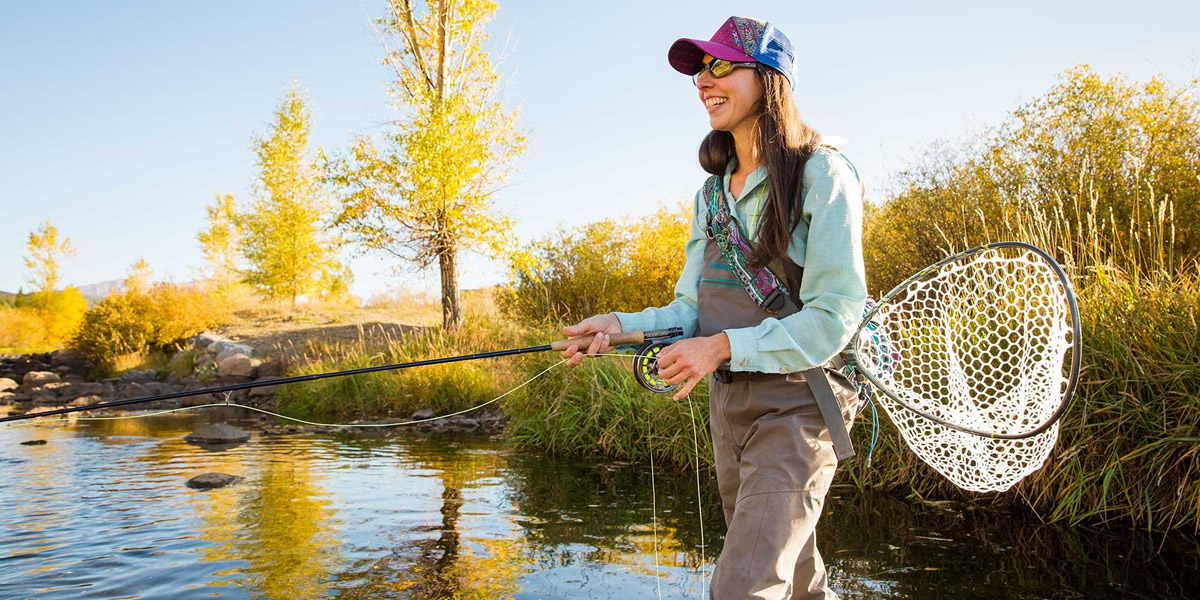
The experience is about more than catching a fish. Standing beside a cold mountain river with the peaks rising around you, listening to the water and concentrating on a single stretch of current creates a completely different relationship with the landscape. Whether you spend a few hours fishing near town or make a full-day trip farther into the surrounding mountains, fly fishing offers a slower and quieter way to experience Breckenridge.
Why Breckenridge Is a Great Fly-Fishing Destination
Breckenridge sits in an area where several major Colorado waterways originate or pass through the surrounding mountain country. GoBreck identifies the Blue, Eagle, Colorado, Arkansas and South Platte rivers as major fishing options accessible from Breckenridge, along with numerous smaller streams, reservoirs and alpine lakes. This variety means anglers aren’t limited to one type of fishing environment. Depending on the season, conditions and experience level, you can fish moving water close to town, explore a reservoir or make the effort to reach a high-alpine lake.
That diversity is particularly valuable for visitors because mountain fishing changes constantly. Water temperatures, snowmelt, weather and seasonal insect activity all influence where trout feed and how they behave. A location that works beautifully at one point in the year may be much less productive at another. Rather than thinking of Breckenridge as having one single “best” fishing spot, it makes more sense to think of the area as a collection of different fisheries that become interesting under different conditions.
The scenery is another major part of the attraction. Fishing in Breckenridge can put you beside a river flowing through the mountains, along a reservoir surrounded by peaks or beside an alpine lake that requires a hike to reach. The fishing is the reason you’re there, but the environment becomes part of the experience.
The Blue River: Fishing Close to Breckenridge
For visitors staying in Breckenridge, the Blue River is one of the most accessible places to begin exploring fly fishing. The river runs through the community, which means you don’t necessarily have to dedicate an entire day to driving somewhere remote just to spend time on the water. GoBreck specifically highlights the opportunity to fly fish from the shores of the Blue River just steps from Main Street.
That proximity makes the Blue River particularly interesting for travelers who want to combine fishing with the rest of a Breckenridge vacation. You can spend part of the day exploring downtown, have lunch, walk along the river and then dedicate some time to fishing. For an experienced angler carrying their own equipment, that flexibility can be valuable. The Upper Blue River also features in GoBreck’s seasonal fishing recommendations. The section along Highway 9 is described as one of the earlier local waters to become accessible in spring as snow melts, with brown trout feeding on small insects under favorable conditions.
Because conditions can change quickly in mountain environments, anglers should always check current regulations and local conditions before choosing a particular stretch of river.
Fly Fishing in Breckenridge During Spring
Spring is an interesting time to fish around Breckenridge because the transition from winter to warmer conditions changes the rivers considerably. Snowmelt influences water levels and temperatures, and the timing of runoff can determine which waters are practical and productive on a particular day. GoBreck identifies the Upper Blue River as one of the local options that can become accessible relatively early in the spring. The original guide notes that brown trout can feed on small midges during favorable conditions, particularly on warmer days with lighter winds.
The Eagle River is another option mentioned for spring fishing. Although it requires traveling away from Breckenridge, its lower elevation means it can become fishable earlier than some higher mountain waters. GoBreck describes sections near Vail and farther west as having populations of brown and rainbow trout. Spring fishing therefore rewards flexibility. Rather than arriving with one rigid plan, it is better to understand that the mountains are still transitioning out of winter. A local outfitter can provide current information about water conditions and help determine where fishing makes the most sense during your visit.
Summer Fly Fishing in Breckenridge
Summer is one of the most popular seasons for fly fishing in Breckenridge, and for good reason. As the high country opens up, more rivers, streams and alpine lakes become accessible, while warmer weather makes spending several hours outdoors considerably more comfortable.
GoBreck highlights mountain lakes as an option for anglers willing to hike beyond the more accessible fishing locations. Lower Mohawk Lake is specifically mentioned as a place where visitors can fish for Colorado’s native cutthroat trout, while Clinton Reservoir is another location identified in the original guide. The appeal of alpine fishing goes beyond the fish. Reaching a mountain lake can turn the day into a combination of hiking, sightseeing and fishing. You’re earning the opportunity to spend time beside water surrounded by high-country scenery, and the journey itself becomes part of the adventure. If you’re planning an alpine fishing trip, preparation matters. GoBreck recommends checking with a local outfitter, carrying a map, paying attention to weather conditions and bringing water and snacks. Those considerations are particularly important in the high country, where weather can change rapidly and a short-looking hike on a map may feel considerably different at elevation.
Fishing the Colorado River
The Colorado River provides another type of fly-fishing experience in the Breckenridge area. Instead of standing in one location and casting into a relatively confined stretch of water, anglers can take part in guided float trips that combine fishing with the experience of traveling downstream. GoBreck describes float fishing on the Upper Colorado River as an experience particularly suited to more advanced anglers, because casting, managing line and handling equipment from a moving boat require additional skills. The original guide notes that local outfitters offer float trips on the Upper Colorado River. A float trip can also change the way you read a river. Rather than focusing on one accessible bank or pool, you’re continually moving through different sections of water, giving you the opportunity to observe changing currents, structure and potential holding areas.
For experienced anglers, that combination of fishing and river travel can make a full day on the water particularly memorable.
Fly Fishing in Breckenridge During Fall
Fall is often an attractive season for anglers because conditions can become more stable after the variable weather and runoff associated with earlier parts of the year. GoBreck’s original guide specifically identifies fall as a favorite period for local anglers and points to sections of the South Platte and Colorado River systems as opportunities during the season. The South Platte above Spinney Reservoir is highlighted for dry-fly opportunities, while the Colorado River near its confluence with the Williams Fork is described as holding rainbow and brown trout. Blue-winged olive hatches are also mentioned in the original guide.
Fall adds another dimension to the experience because fishing can be combined with one of the most beautiful times of year in the Colorado mountains. The changing landscape becomes part of the day, and cooler temperatures can make long stretches outdoors comfortable compared with the warmer periods of summer.
For travelers already visiting Breckenridge to see the fall colors, adding a few hours of fly fishing can be an excellent way to experience the season from a completely different perspective.
Winter Fly Fishing in Breckenridge
Fly fishing doesn’t disappear when winter arrives.
In fact, the Breckenridge area has specific winter opportunities, although the experience is considerably different from summer fishing. The Lower Blue River below Dillon Dam is one of the locations highlighted by GoBreck because the reservoir outflow maintains relatively consistent water temperatures, allowing sections of the river to remain fishable during cold weather. Winter trout fishing requires a different approach. GoBreck notes that trout’s food sources become smaller during the cold season and highlights the importance of the Mysis shrimp that come from Dillon Reservoir in the Lower Blue River fishery. Another winter option is the Dream Stream on the South Platte River, located farther south of Breckenridge between Spinney and Elevenmile reservoirs. The original guide describes it as a high-country trout stream with rainbow, brown and cutthroat trout.
Winter fishing isn’t for everyone, but for anglers who enjoy technical fishing and don’t mind cold conditions, it provides a completely different way to experience Colorado.
What Fish Can You Catch Near Breckenridge?
The waters around Breckenridge support several species of trout and other fish. GoBreck identifies cutthroat trout, rainbow trout, brown trout and mountain whitefish among the species anglers may encounter in the region, while kokanee salmon are also mentioned in its broader fly-fishing guidance. The particular species you encounter will depend on the water you’re fishing and the conditions at the time of your visit. That’s another reason local knowledge can be valuable. Someone who fishes the area regularly will understand how different waters behave throughout the year and can help you choose an appropriate location rather than simply pointing you toward the most famous river.
For many visitors, however, the species is only part of the story.
The experience of fishing in the Colorado Rockies is often just as important as what eventually ends up at the end of the line.
Do You Need a Fishing License in Colorado?
Yes. A Colorado fishing license is required to fish in Colorado waters. GoBreck notes that licenses are available online through Colorado Parks and Wildlife and can also be purchased from authorized retailers in the area. Having a license is only the beginning, however. Fishing regulations can vary by location, and anglers are responsible for understanding the rules that apply to the specific water they intend to fish. Regulations can address issues such as seasons, permitted methods, species, limits and other conservation requirements.
Because those rules can change, it’s much better to check the current Colorado Parks and Wildlife regulations before your trip rather than relying on an older article or information from another fishing season.
This is particularly important when you’re traveling to unfamiliar waters.
Should You Hire a Fly-Fishing Guide in Breckenridge?
For someone who already knows the area and has extensive fly-fishing experience, hiring a guide may not be necessary.
For everyone else, it can dramatically simplify the experience.
Breckenridge has local outfitters that offer guided fishing experiences for different skill levels, including introductory trips, half-day and full-day outings and float trips. GoBreck identifies Breckenridge Outfitters and Mountain Angler as local sources for equipment, instruction and guided experiences.
A guide isn’t simply someone who takes you to a river.
A good guide can help you understand the water, improve your casting, choose appropriate flies and recognize where trout are likely to hold. They also bring local knowledge that would otherwise take considerable time to develop on your own.
For a first-time angler, this can turn an intimidating experience into something approachable.
And for an experienced fisherman, local knowledge can help reveal new water that you might never have found on your own.
Fly Fishing for Beginners
If you’ve never fly fished before, Breckenridge can still be a good place to start. Local outfitters offer introductory experiences designed to teach the basics rather than assuming you already know how to cast, tie flies or read a river. GoBreck specifically describes two-hour introductory trips as an option for beginners, families and visitors interested in learning the sport.
That is important because fly fishing can look complicated when you first see someone doing it.
There are specialized rods, reels, lines, flies, leaders, waders and casting techniques, but you don’t need to master everything before you begin.
A guided introduction allows you to concentrate on learning the fundamentals while someone with local experience takes care of the more complicated logistical details.
You may not become an expert in one afternoon.
You don’t need to.
The goal is to understand why people become so passionate about the sport.
Where to Get Fly-Fishing Equipment in Breckenridge
Visitors who don’t bring their own equipment can find gear and guidance through local fishing outfitters. GoBreck identifies Mountain Angler and Breckenridge Outfitters as local resources for equipment, instruction and guided trips. Depending on the type of trip you choose, equipment such as rods, reels and waders may be included with guided experiences. The exact equipment and services vary by outfitter and trip, so it is best to confirm what is included when booking. For independent anglers, visiting a local shop before heading onto unfamiliar water can also be useful simply because conditions and recommended tactics change throughout the year.
Local knowledge is one of the most valuable pieces of equipment you can have.
What Should You Wear for Fly Fishing in Breckenridge?
Mountain weather deserves respect regardless of the season.
Even during summer, temperatures and conditions can change quickly, particularly if you’re fishing at higher elevations or spending the day near alpine lakes. GoBreck recommends dressing in layers and bringing sun protection, water and additional clothing appropriate to the conditions. During spring and winter, additional insulation becomes particularly important. During summer and fall, moisture-wicking clothing, sunglasses, a hat and sunscreen can make a long day outside much more comfortable.
The important thing is to think beyond the temperature when you leave your hotel.
A mountain fishing trip may last several hours, and conditions can change while you’re away from town.
Fly Fishing With Kids in Breckenridge
Fishing can be an excellent family activity because it doesn’t require everyone to have the same level of physical ability.
GoBreck specifically identifies Maggie Pond and Sawmill Reservoir in Breckenridge, along with Meadow Creek Pond in nearby Frisco, as places children can enjoy fishing. For families, these kinds of accessible locations can make more sense than planning a demanding backcountry fishing expedition. Children can learn the basics, spend time outdoors and enjoy the surrounding scenery without turning the activity into a test of endurance.
If your family is new to fly fishing, a short guided introduction can also be a good way to determine whether everyone enjoys the sport before investing in equipment.
The Best Time to Go Fly Fishing in Breckenridge
There isn’t one universal answer because each season offers a different experience.
Summer is popular because more high-country water becomes accessible and the weather is generally favorable for spending extended periods outdoors. Fall can offer stable conditions and beautiful scenery. Spring provides opportunities as waters begin opening from winter, while winter creates specialized tailwater fishing opportunities for anglers prepared for cold weather.
Instead of asking which season is “best,” think about what kind of fishing experience you want.
If your priority is accessibility and comfortable weather, summer may be the obvious choice.
If you enjoy quieter surroundings and changing foliage, fall may be more appealing.
If you’re an experienced angler who enjoys technical winter fishing, the cold season offers something completely different.
Respecting Colorado’s Rivers and Fish
Fly fishing is ultimately about spending time in an environment that deserves to be protected.
Colorado’s rivers and alpine lakes are not simply recreational spaces. They are ecosystems supporting fish and other wildlife, and their condition depends on responsible behavior from everyone who visits them. That means following current fishing regulations, respecting private property and access restrictions, handling fish appropriately when practicing catch-and-release and avoiding unnecessary disturbance to the surrounding environment.
The objective isn’t simply to catch fish today.
It’s to make sure these waters remain healthy enough for future anglers to enjoy.
Planning a Fly-Fishing Trip to Breckenridge
A successful fishing trip doesn’t necessarily require an elaborate plan, but a little preparation can make a major difference. Start by determining what kind of experience you want: fishing close to town, hiking to an alpine lake, exploring a river farther away or booking a guided trip.
Then check current regulations, weather and water conditions before leaving.
If you’re traveling without equipment, contact a local outfitter and ask what type of trip makes sense for your experience level and the season. If you’re an experienced angler bringing your own gear, local fishing shops can still be useful sources of current information.
And remember that Breckenridge sits at high elevation. Give yourself time to adjust, stay hydrated and don’t underestimate how quickly mountain weather can change.
Getting to Breckenridge for a Fly-Fishing Trip
For visitors flying into Colorado, transportation is another part of the trip worth considering before arriving. Denver International Airport is the main gateway for many travelers heading into the Colorado mountains, and the journey from the airport to Breckenridge can be particularly important when you’re carrying fishing equipment, luggage or outdoor gear. Instead of picking up a rental car immediately after your flight and then dealing with the drive into the mountains, private transportation can provide a more straightforward beginning to your trip. Great Divide Transportation offers transportation to Breckenridge, giving travelers the option to arrange their airport-to-mountain transfer in advance.
That can be especially convenient for anglers who have rods, reels, waders and other equipment with them, or for families and groups who prefer to travel together rather than coordinate several vehicles.
Explore Breckenridge Transportation Services →
Frequently Asked Questions About Fly Fishing in Breckenridge
Is fly fishing available year-round in Breckenridge?
Yes. GoBreck describes fly fishing as a year-round activity in the Breckenridge area, although the locations, conditions and techniques vary significantly by season.
What fish can you catch fly fishing near Breckenridge?
The region includes waters with cutthroat, rainbow and brown trout, as well as mountain whitefish and other species. The specific fish available depends on the water you’re fishing.
Do I need a fishing license in Breckenridge?
Yes. A Colorado fishing license is required, and anglers should also review the regulations that apply to the specific water they plan to fish.
Can beginners go fly fishing in Breckenridge?
Absolutely. Local outfitters offer introductory guided experiences designed for beginners, including short trips that teach basic fly-fishing techniques.
Where can I fly fish near Breckenridge?
Options include the Blue River, Eagle River, Colorado River, Arkansas River and South Platte River, as well as various streams, reservoirs and alpine lakes in the surrounding area.
Can you fly fish in winter in Breckenridge?
Yes. The Lower Blue River below Dillon Dam and other tailwater fisheries can provide winter opportunities, although cold-weather fishing requires appropriate clothing and preparation.
Is fly fishing good for families?
It can be. Accessible locations such as Maggie Pond and Sawmill Reservoir are specifically identified by GoBreck as options for children, while introductory guided trips can make the sport easier for families who are new to fly fishing.
Should I hire a guide for fly fishing in Breckenridge?
A guide can be particularly useful for beginners or visitors unfamiliar with the local waters. Guides can provide equipment, instruction and local knowledge, while experienced anglers may prefer exploring independently.
Experience Breckenridge From the Water
Breckenridge has an unusual ability to offer completely different experiences within the same destination. In winter, the mountains become a world-class ski environment. In summer, the trails, lakes and rivers open up. And throughout the year, fly fishing provides a quieter way to explore the landscape. You can stand along the Blue River only minutes from downtown, hike toward an alpine lake, spend a full day exploring a Colorado river or challenge yourself with technical winter fishing below Dillon Dam. The scenery changes, the water changes and the techniques change, but the connection with the mountains remains.
For travelers who want something beyond the standard Breckenridge itinerary, fly fishing is an excellent way to slow down and experience the Colorado Rockies from a different perspective. You don’t have to be an expert, and you don’t need to spend your entire vacation holding a fly rod.
Sometimes a few hours beside a mountain river are enough.